The Subconscious Mind Explained: 27 Powerful Lessons That Changed the Way I Think
The Subconscious Mind has fascinated me for years.
I’ve read dozens of books on personal development, manifestation, psychology, and success, but one thing kept appearing in every philosophy I explored. Whether the author called it belief, self-image, faith, mindset, or conditioning, they were all pointing toward the same place: the hidden part of the mind quietly shaping our lives every single day.
That realization completely changed the way I looked at myself.
For a long time, I believed that changing my life meant changing my circumstances first.
I thought I’d become confident after succeeding.
I’d feel peaceful after solving every problem.
I’d become optimistic once life finally went my way.
Now I think I had it backward.
After spending time studying Understanding The Subconscious Mind, I started asking a different question.
What if my inner conversations were influencing my outer reality more than I realized?
This article isn’t about magical thinking.
It’s not about pretending problems don’t exist.
Instead, it’s about the powerful connection between your thoughts, emotions, habits, and the person you slowly become.
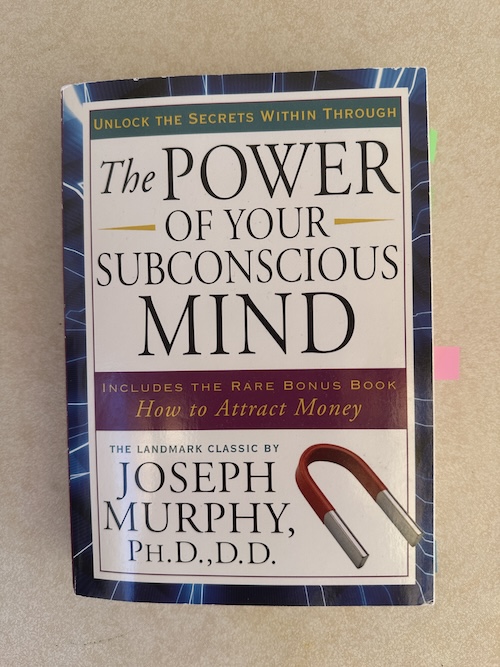
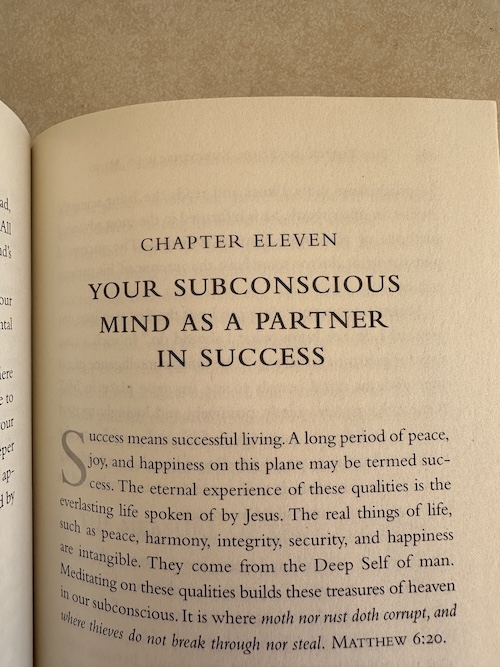
Some of these lessons were inspired by classic teachings on the subconscious mind.
Others came from my own experiences of putting those ideas into practice.
If you’ve ever wondered why certain habits feel impossible to break, why some people naturally expect success while others constantly expect disappointment, or how to train your mind to work for you instead of against you, you’re in the right place.
Let’s begin with the most important lesson of all.
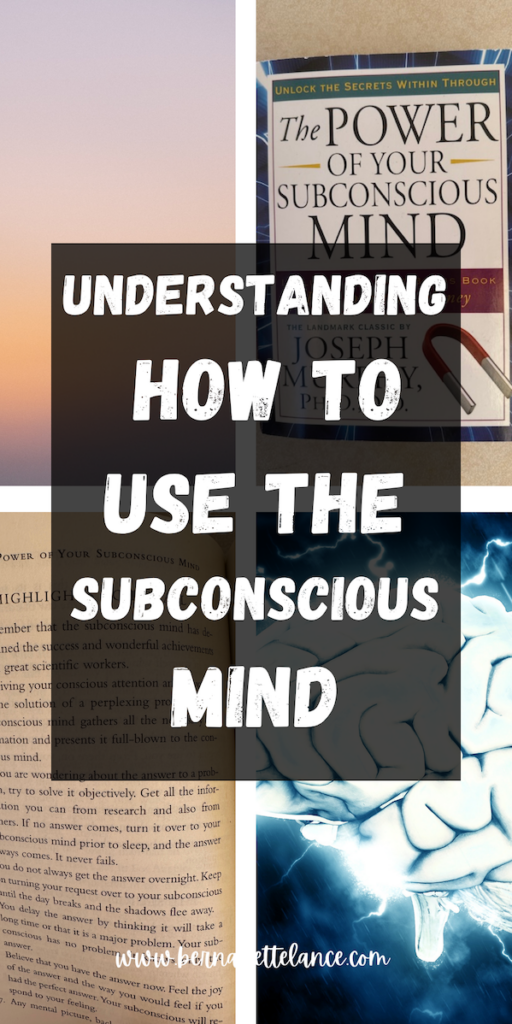
Understanding the Subconscious Mind
The easiest way I can explain the subconscious mind is with a simple comparison.
Imagine your mind is like a garden.
Your Conscious Mind is the gardener.
It decides what seeds are planted.
Your subconscious is the soil.

It doesn’t stop to debate whether the seed is good or bad.
It simply grows whatever is planted consistently.
That’s what fascinated me.
The subconscious doesn’t seem interested in judging every thought.
It responds to repetition.
That means the thoughts we entertain every day slowly become familiar.
Eventually they become beliefs.
Then those beliefs influence our decisions, our confidence, our habits, and even the opportunities we notice.
When I first understood this, I immediately became more aware of my internal dialogue.
I realized I wasn’t just thinking.
I was practicing certain thoughts over and over.
Some were helpful.
Many weren’t.

Conscious Mind vs. Subconscious Mind
One of the biggest breakthroughs for me was understanding that these two parts of the mind have very different jobs.
| Conscious Mind | Subconscious Mind |
|---|---|
| Thinks logically | Stores repeated beliefs |
| Makes decisions | Creates automatic habits |
| Analyzes information | Responds to emotion and repetition |
| Learns new ideas | Turns ideas into patterns |
| Can change quickly | Changes gradually |
This table helped me understand why motivation rarely lasts.
The conscious mind gets excited.
The subconscious prefers familiarity.
That’s why real Mind Training takes patience.
You’re not forcing change.
You’re teaching your mind a new normal.
Lesson 1: Your Inner Voice Is Always Listening
This was probably the hardest lesson for me.
I assumed negative thoughts didn’t matter unless I believed them.
But then I started paying attention.

I noticed how casually I criticized myself.
“I’ll probably mess this up.”
“I’m terrible at this.”
“Things never work out.”
I wasn’t saying these things because I truly believed them.
Sometimes they were just jokes.
Sometimes they were habits.
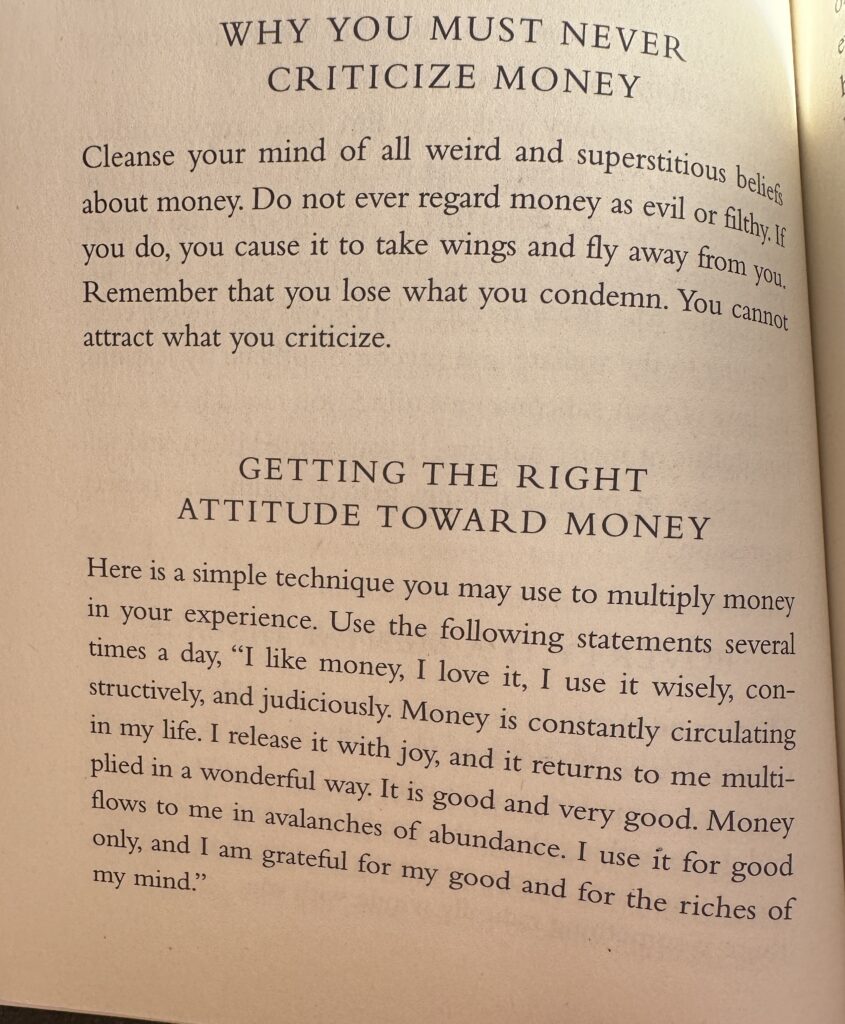
But after hearing them often enough, I began acting as though they were true.
That changed everything.
Now I ask myself a simple question whenever I catch negative self-talk.
If I repeated this sentence every day for five years, would I want it to become one of my beliefs?
Usually the answer is no.
That doesn’t mean I force fake positivity.
Instead, I gently rewrite the sentence.
“I don’t know how to do this yet.”
“This is challenging, but I’ll figure it out.”
“I’m learning.”
Those tiny changes feel surprisingly powerful.
Lesson 2: Repetition Is More Powerful Than Motivation
I used to chase motivation.
New planners.
New notebooks.
New routines.
New goals.
I’d feel inspired for three days.
Then life happened.
Studying Subconscious Mind Psychology helped me realize something I wish I’d learned years ago.
The subconscious doesn’t care about occasional bursts of excitement.
It responds to what happens consistently.
That reminded me of brushing my teeth.
Nobody expects perfect results from brushing once for thirty minutes.
You brush for two minutes every day.
Small actions repeated often become powerful.
The same is true for your thinking.
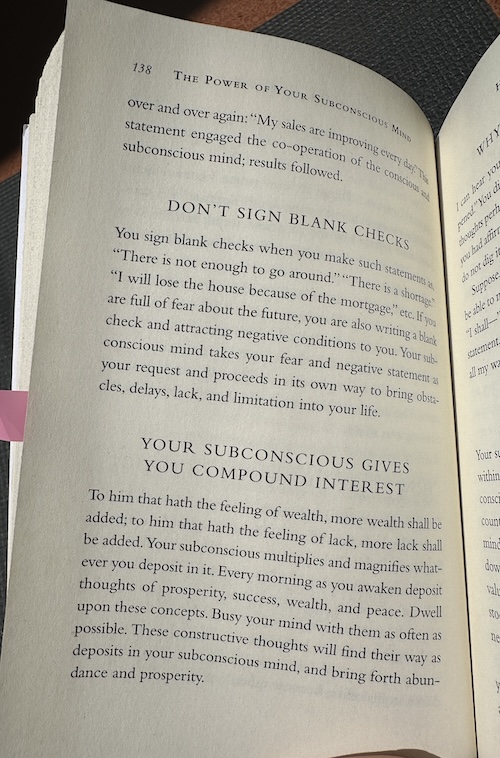
One encouraging thought won’t erase years of self-doubt.
But one encouraging thought repeated daily begins creating a different mental environment.
That felt much more realistic to me.
Lesson 3: Imagination Is a Tool, Not an Escape
For years I misunderstood visualization.
I thought it meant sitting on the couch imagining my dream life.
Now I see it differently.
Visualization prepares me for action.
Before a difficult conversation, I imagine myself staying calm.
Before an interview, I picture myself speaking confidently.
Before starting a new project, I imagine finishing it successfully.
Does imagination guarantee success?
Of course not.
But it changes how I show up.
And sometimes that’s enough to change the outcome.

Lesson 4: The Stories You Repeat Become the Life You Expect
This one made me laugh because I caught myself doing it almost every day.
Someone would ask,
“How’s everything going?”
Without thinking I’d answer,
“Oh, it’s always one thing after another.”
Was that really true?
Not always.
It was simply the story I’d gotten used to telling.
Eventually I realized those stories shape expectations.
If I constantly describe my life as stressful and difficult my brain starts looking for evidence to support that narrative.
Now I try to tell a more balanced story.
Life isn’t perfect.
But it isn’t hopeless either.
That shift has made me feel lighter without pretending everything is wonderful.

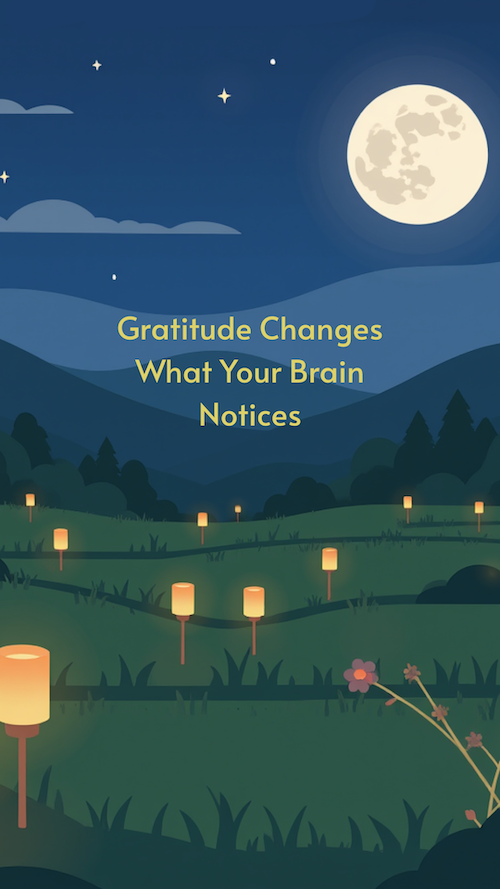
Lesson 5: Gratitude Changes What Your Brain Notices
One habit has stayed with me longer than almost anything else.
Every evening I write down three things that went well.
Some days they’re big.
Some days they’re incredibly ordinary.
A good cup of coffee.
A productive afternoon.
A kind message from a friend.
The goal isn’t to ignore problems.
It’s to remind my brain that good moments exist too.
Over time, I noticed something funny.
I started looking for positive moments during the day because I knew I’d be writing them down later.
That’s one of the simplest forms of Training Your Subconscious Mind I’ve ever practiced.
Affirmations I love by the Power of the Subconscious Mind
These are affirmations I wrote after studying these ideas. They’re completely original and perfect for journals, vision boards, or Canva wallpapers.
- Every calm thought I repeat becomes part of who I am.

- My mind grows stronger every time I choose possibility over fear.
- I plant hopeful thoughts today because I want a hopeful future tomorrow.
- Peace begins with the conversations I have inside my own mind.
- I give my subconscious new stories worth believing.
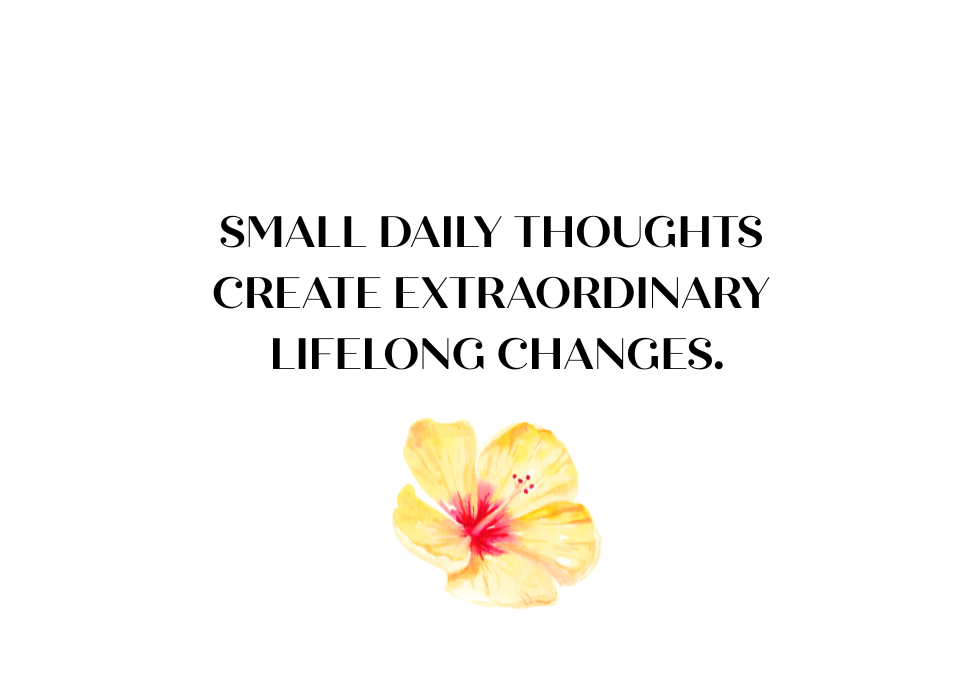
- Small daily thoughts create extraordinary lifelong changes.
- Confidence is something I practice, not something I wait to feel.
- My imagination is preparing me for opportunities I haven’t seen yet.
- I choose thoughts that support the life I’m creating.

- Every day, my inner world becomes a little brighter.
Lesson 6: Your Mind Believes What You Practice
One idea completely changed the way I looked at confidence.
I used to think confident people were simply born that way.
Now I think confidence is often the result of repetition.
Think about riding a bike.

The first time feels awkward.
The hundredth time feels automatic.
Your mind works the same way.
If you practice confidence in small ways every day, eventually it starts feeling familiar.
The opposite is also true.
If you constantly rehearse fear, hesitation becomes your default response.
That’s why Mind Training isn’t about changing your personality.
It’s about changing what feels familiar.
Lesson 7: Stop Feeding the Thoughts You Want to Outgrow
One mistake I made for years was arguing with every negative thought.
The harder I fought them, the stronger they seemed to become.
Eventually I realized something.
Not every thought deserves my attention.
Imagine sitting in a café.
People are talking at every table.
You don’t join every conversation.
Thoughts work the same way.
Some deserve attention.
Others can simply pass by.
That realization made my mind feel much quieter.
Now when an unhelpful thought appears, I notice it.
Then I let it leave instead of inviting it to stay.
Lesson 8: Your Environment Is Programming You Too
When people talk about the subconscious, they usually focus on thoughts.
I think our environment matters just as much.
Look around your room.
What do you see?
Chaos?
Calm?
Motivation?
Stress?

The books we read…
The music we play…
The conversations we have…
The social media accounts we follow…
They all become suggestions that slowly influence our thinking.
I started making tiny changes.
I read more inspiring books.
I spent less time scrolling.
I listened to calming music while working.
Those small adjustments made a bigger difference than I expected.
Lesson 9: Progress Is Usually Invisible at First
One reason people quit is because they expect immediate results.
I understand.
I’ve done the same thing.
But changing the subconscious is a little like growing bamboo.
For a long time, nothing seems to happen.
Then one day, growth becomes obvious.
That doesn’t mean nothing was happening before.
The roots were growing.
Your mental habits work the same way.
Just because you can’t measure today’s progress doesn’t mean your efforts are being wasted.
Keep planting good thoughts.
The results often appear when you least expect them.
Lesson 10: Your Identity Shapes Your Habits
Here’s one question that changed how I approached every goal.
Instead of asking,
“What do I need to do?”
I started asking,

“Who do I want to become?”
Those questions create very different answers.
Someone who wants to become healthy naturally makes different choices.
Someone who wants to become peaceful protects their attention.
Someone who wants to become confident practices speaking kindly to themselves.
The subconscious responds strongly to identity.
When you repeatedly tell yourself who you’re becoming, your habits slowly begin catching up.
Comparison: Thoughts That Drain You vs. Thoughts That Build You
Whenever I catch myself spiraling, I like using this simple comparison.
| Thoughts That Drain Energy | Thoughts That Build Momentum |
|---|---|
| Nothing ever works out. | Every challenge teaches me something. |
| I’m not ready. | I can learn as I go. |
| I’ll probably fail. | I’ll give it my best effort. |
| Other people are luckier. | My journey is different. |
| I’m stuck. | I’m growing, even if it’s slow. |
| I always make mistakes. | Every mistake helps me improve. |
Notice something.
None of the thoughts on the right ignore reality.
They’re simply more supportive.
How to Train Your Mind Every Day
People often imagine that changing their mindset requires hours of meditation.
My experience has been much simpler.
Here are the habits that have helped me the most.
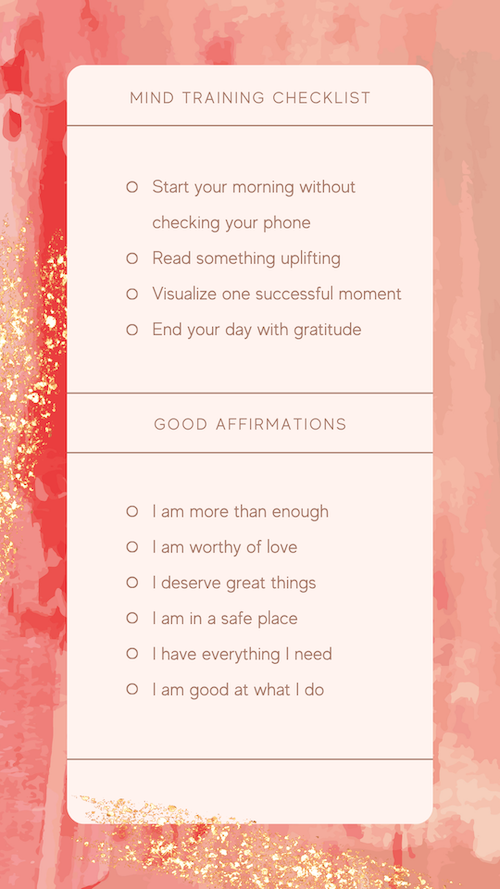
Start your morning without checking your phone
Give your own thoughts a chance to speak before the internet starts speaking for you.
Read something uplifting
Even one page can influence the direction of your day.
Notice your self-talk
You don’t have to be perfect.
Just become aware.
Awareness is where change begins.
Visualize one successful moment
Not your entire future.
Just one conversation.
One meeting.
One goal.
One peaceful afternoon.
End your day with gratitude
Ask yourself,
What went well today?
Your brain will begin searching for better answers tomorrow.
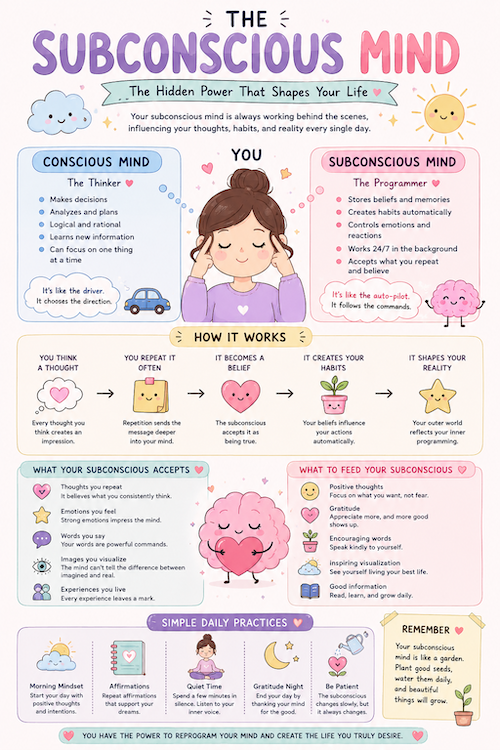
What Is a Subconscious Mind Infographic?
If you’ve spent any time on Pinterest, you’ve probably seen a Subconscious Mind Infographic.
Some explain how habits are formed.
Others compare the conscious and subconscious mind.
I actually enjoy them because they simplify complex ideas into something easy to remember.
Just don’t stop there.
Reading an infographic won’t change your life.
Applying it might. Here’s my favorite:
Interesting Subconscious Mind Psychology Facts
Here are a few ideas that have stayed with me.
- Your brain pays attention to repeated thoughts more than occasional ones.
- Emotion helps create stronger memories.
- Habits require less mental effort than constant decision-making.
- The words you repeatedly say about yourself influence your self-image.
- Gratitude changes what your brain notices throughout the day.
- Your imagination can prepare you for future actions.
- Small improvements practiced consistently often outperform dramatic changes.
These aren’t magic tricks.
They’re reminders that our minds are always learning.
The question is…
What are we teaching them?
Frequently Asked Questions
What is the subconscious mind?
The subconscious mind is the part of your mind that stores beliefs, habits, emotional responses, and automatic behaviors. While your Conscious Mind makes decisions, the subconscious quietly influences how you react, think, and act every day.
How can I start Training Your Subconscious Mind?
Start with small, consistent habits.
Pay attention to your self-talk.
Practice gratitude.
Visualize positive outcomes.
Repeat encouraging beliefs that feel authentic.
Real change comes through repetition, not perfection.
Can I really change my thinking?
Absolutely.
Your brain is constantly learning.
Just as repeated negative habits become automatic, supportive habits can become automatic too.
It takes patience, but change is possible.
Is positive thinking enough?
No.
Positive thinking works best when it’s paired with action.
Changing your thoughts helps you approach life differently.
Your actions are what create results.
Why is Mind Training important?
Because your thoughts influence your habits, your habits influence your decisions, and your decisions gradually shape your life.
Learning How To Train Your Mind is one of the most valuable investments you can make in yourself.
Final Thoughts
Studying The Subconscious Mind changed something much deeper than my daily routine.
It changed the way I listened to myself.
I stopped treating my inner voice like background noise.
I started treating it like a lifelong companion.
I still have difficult days.
I still worry sometimes.
I still catch myself expecting the worst now and then.
The difference is that I notice it much sooner.
Instead of letting one negative thought become an entire afternoon, I pause.
I choose a better thought.
Then another.
And another.
Those tiny moments may not seem life changing on their own.
But together they slowly create a different person.
If there’s one thing I’ve learned, it’s this:
Your subconscious is always listening, so speak to yourself with the same kindness, encouragement, and belief that you’d offer someone you truly love.
Those quiet conversations become habits.
Those habits become beliefs.
And those beliefs often become the life you experience.
This post showed you what the subconscious mind is.
You may also like: