Kombucha: The Fizzy Ritual I didn’t Expect to Love This Much
Intro
I didn’t plan on becoming a kombucha person.
It just happened.
One bottle turned into five. Then suddenly I was reading a kombucha research paper at midnight and wondering if my future included a jar of homemade fermented drinks on table setups like a lifestyle influencer.
And honestly… I’m not mad about it.
Because kombucha is one of those rare things that feels both ancient and oddly modern.
It’s a natural kombucha drink with roots that go back centuries. Yet it fits perfectly into a fridge next to oat milk and cold brew.
So today I’m breaking down everything.
The flavors I tried. The real kombucha benefits. The weird little details no one tells you.
And yes, the one flavor that surprised me the most.
Disclaimer
This post is for informational and educational purposes only. I’m sharing personal experiences and general research about kombucha, but this is not medical advice. Kombucha is a fermented drink and may not be suitable for everyone, especially if you are pregnant, sensitive to caffeine or fermentation products, or managing a medical condition.
Always consult a qualified healthcare professional before making changes to your diet or wellness routine.
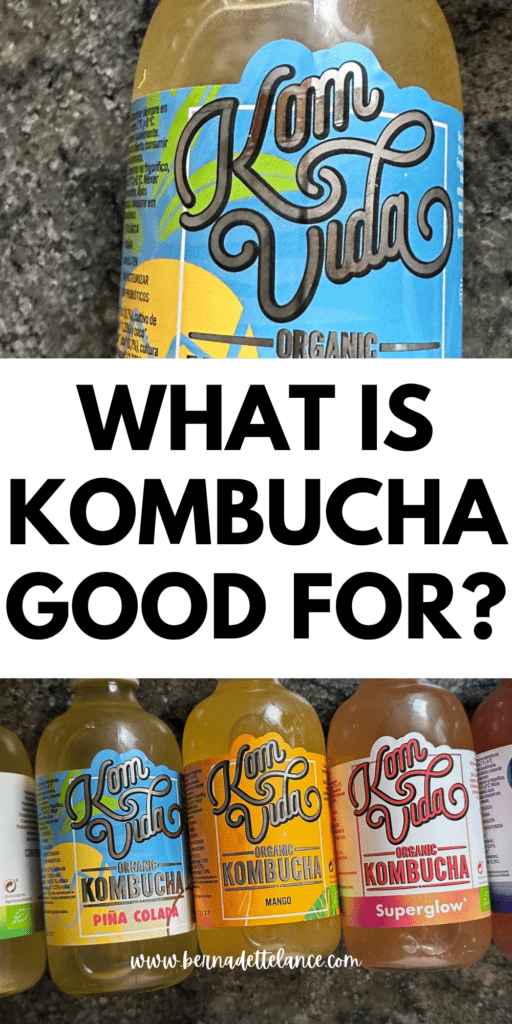
Komvida Kombucha: what I actually Tried
Let’s start with the fun part.
The flavors from Komvida (an European brand that I love).
Because if you think kombucha tastes like vinegar water, you probably just had a bad one.
Here’s what I tried from these bottles and what stood out.
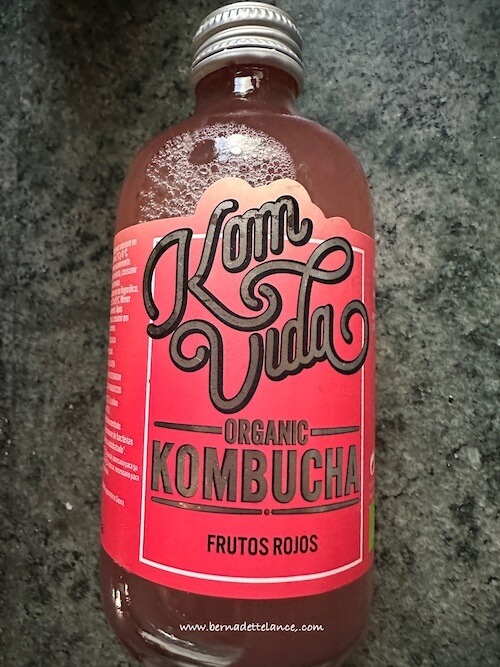
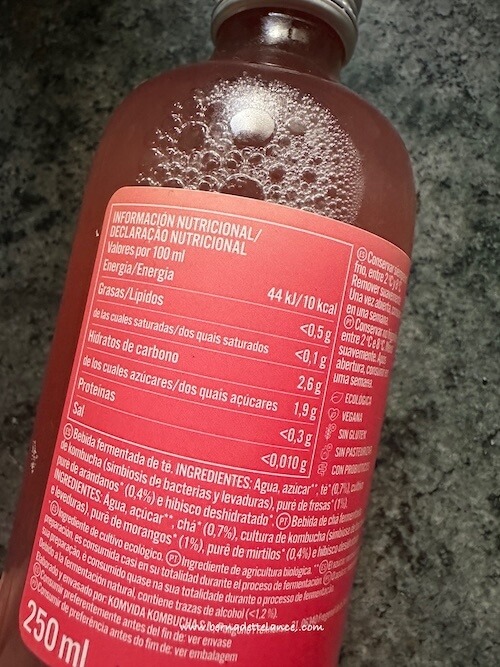
My Favorite: Berries
This one tastes fruity. It has strawberries, blueberries and hibiscus.
It’s sweet but NOT too sweet, and I find it is the perfect refreshment at any time of day.
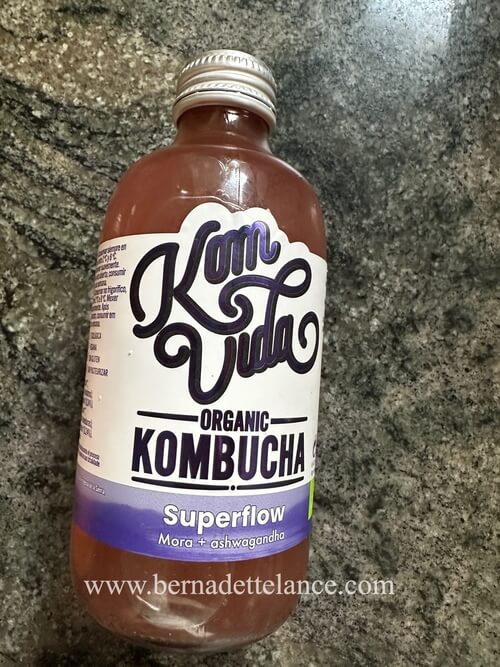
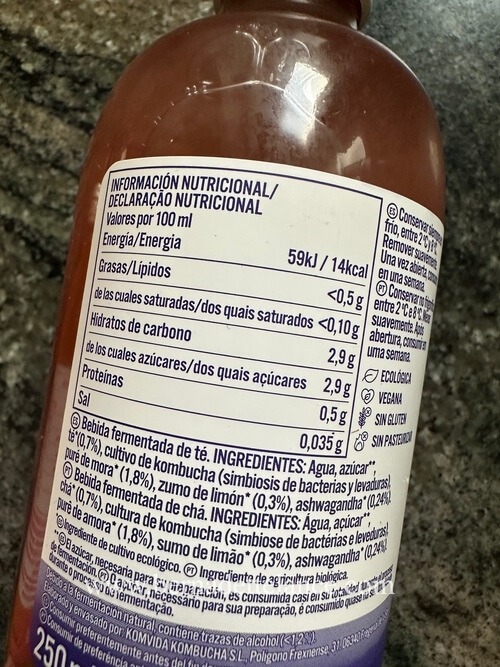
Superflow (blackberry + ashwagandha)
This one felt… calming.
Slightly earthy. Slightly fruity.
Almost like a herbal kombucha tea pretending to be a berry drink.
I noticed the ashwagandha gives it that soft, grounding taste. Not sweet. Not sharp. Just balanced.
Would I drink it every day? Maybe at night.
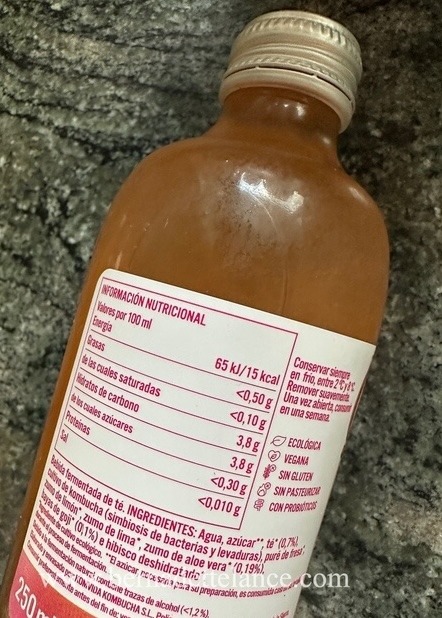
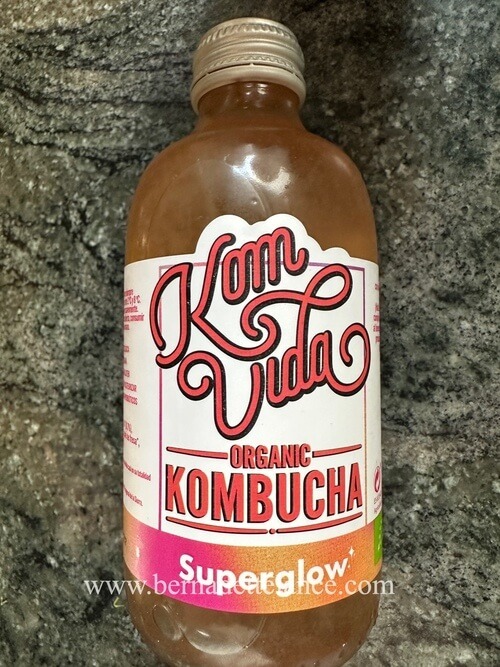
Superglow (hibiscus, fruits)
This is your hibiscus kombucha flavor moment.
Bright. Tangy. Slightly floral.
If you like hibiscus tea, you’ll love this. It reminded me of a light version of hibiscus wine, but fresher.
Also very photogenic. This is peak kombucha aesthetic photography material.
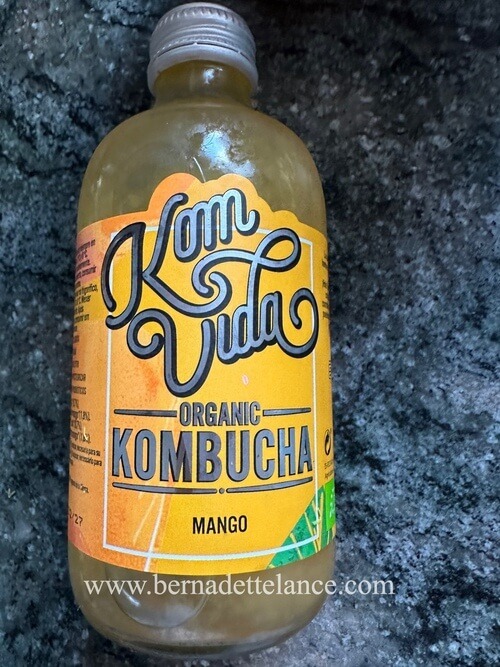
Mango
Safe choice.
Juicy. Slightly tropical. Easy.
If someone is new to kombucha, this is what I would hand them first.
It fits that fruit and herb kombucha category perfectly without being overwhelming.
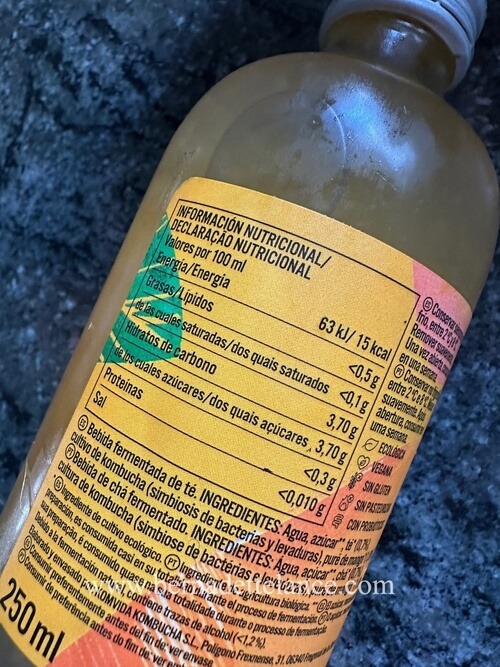
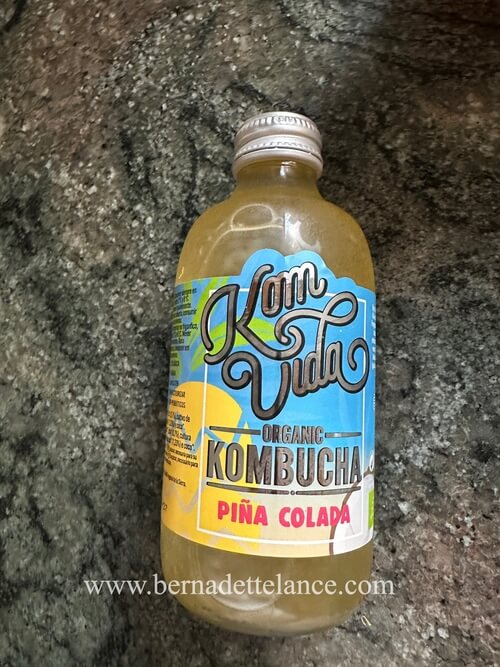
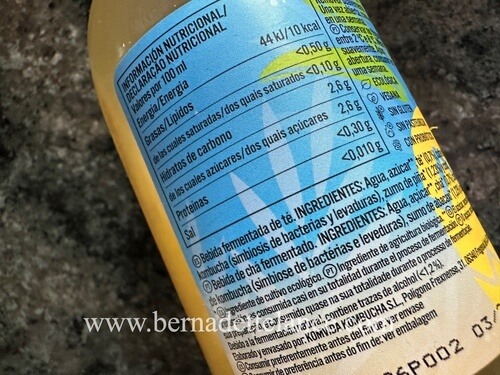
Piña Colada
This one surprised me.
It actually tastes like summer.
Light coconut notes. Pineapple brightness. Not overly sweet.
This is pure kombucha summer energy.
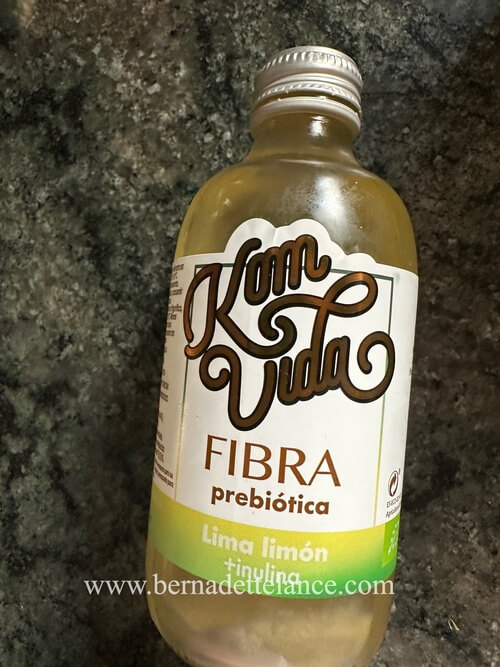
Probiotic Fiber (lime + lemon + inulin)
Different category.
This leans more into kombucha digestive health support.
Slightly thicker mouthfeel. Less playful. More functional.
I liked it, but it felt more like a “I’m doing something good for my body” drink.
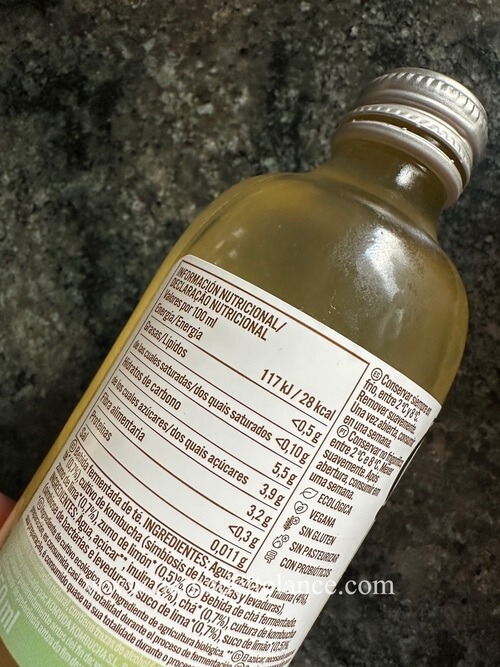
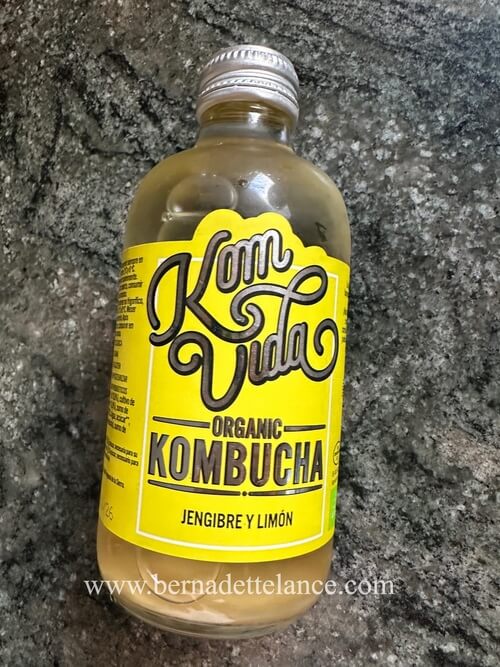
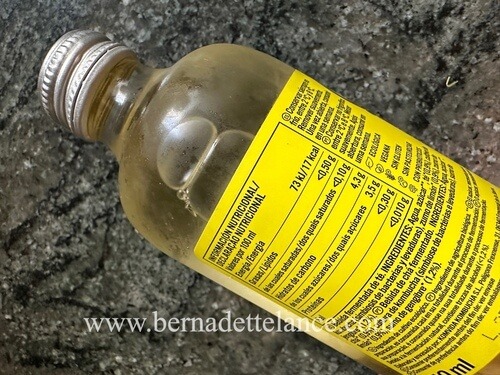
Ginger + Lemon
Sharp. Clean. A little spicy.
This feels like a healthy & delicious kombucha you drink when you want to feel reset.
Also probably the closest to a classic organic kombucha bottle with ginger profile.
Kombucha: What it actually Is
Let’s simplify it.
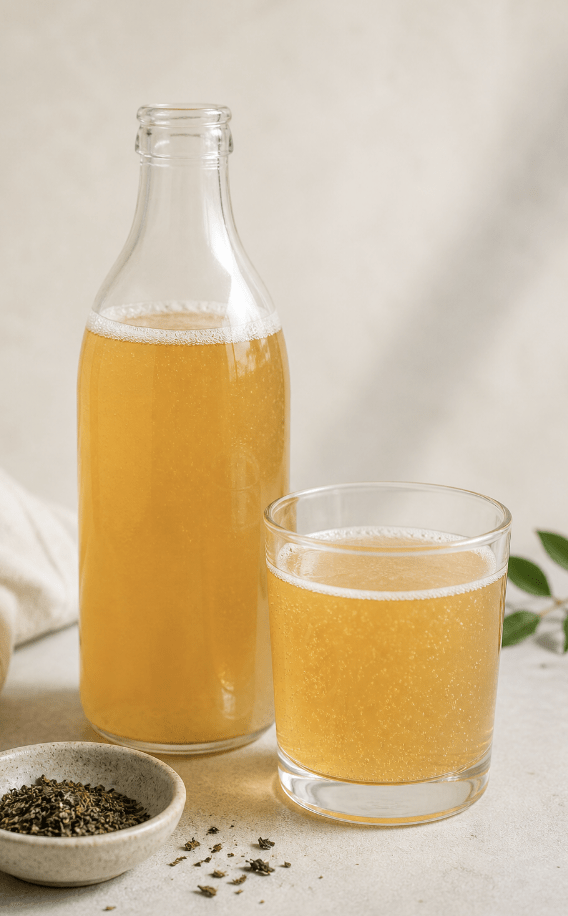
Kombucha is fermented tea.
That’s it.
But the magic comes from the scoby kombucha.
A symbiosis of bacteria and yeast.
Yes, it looks weird.
Yes, it floats like a jelly pancake.
But it’s responsible for everything.
The basics
- Tea + sugar
- Add scoby
- Wait
- Drink
During the kombucha fermentation process steps, the sugar gets consumed.
The result is a slightly fizzy, slightly acidic drink with trace alcohol.
This is why some people call it spirituous kombucha or even compare it to kombucha champagne.
Kombucha Benefits: What I Actually Noticed
Let’s be honest.
There’s a lot of hype around kombucha.
So here’s my real experience.
1. Digestion feels lighter
This is the biggest one.
Not dramatic. Not instant.
But consistent.
That kombucha fermentation bacteria support seems to help.
Especially with regular use.
2. It replaces soda easily
This might be the most underrated benefit.
If you crave fizzy drinks, kombucha is a perfect kombucha alternative.
Same sparkle. Better ingredients.
3. It feels like a ritual
Opening a bottle of kombucha tea feels intentional.
Like you’re doing something slightly elevated.
And honestly, that matters more than people think.
Comparison: flavors vs purpose
| Flavor | Taste Profile | Best For | My Rating |
|---|---|---|---|
| Superflow | Berry + earthy | Evening calm | 8/10 |
| Superglow | Hibiscus + tangy | Refreshing drink | 9/10 |
| Mango | Sweet + tropical | Beginners | 9/10 |
| Piña Colada | Coconut + pineapple | Summer vibes | 10/10 |
| Ginger Lemon | Sharp + citrus | Reset feeling | 8.5/10 |
| Fibra | Light + functional | Gut support | 7.5/10 |
What The Science Says About Kombucha
Let’s keep this simple and grounded.
Kombucha is a fermented tea.
During fermentation, the kombucha fermentation bacteria and yeast create organic acids, small amounts of alcohol, and bioactive compounds.
Gut health
Some research suggests kombucha may support digestion and microbial balance.
A widely cited review found kombucha contains compounds that could benefit gut function, but emphasized the lack of strong human trials (Jayabalan et al., 2014).
Animal studies also show improved gut markers, but results don’t always translate to humans (Villarreal-Soto et al., 2018).
Antioxidants
Kombucha retains tea polyphenols and may even enhance them.
Studies show fermentation can increase antioxidant activity compared to plain tea (Bhattacharya et al., 2016).
This is one of the more consistent findings.
Antimicrobial effects
Lab studies suggest kombucha can inhibit certain harmful bacteria due to its organic acids (Greenwalt et al., 2000).
Important detail: this is mostly in vitro research.
So it doesn’t automatically mean the same effect happens in your body.
Metabolic effects
Some animal studies show improved blood sugar markers and metabolic function (Aloulou et al., 2012).
But again, human evidence is still limited.
Bottom line
Kombucha is not a miracle drink.
But it is a healthy & delicious kombucha option that can:
- Add antioxidants
- Support gut balance in a mild way
- Replace sugary drinks
That alone makes it worth considering.
Kombucha vs Other Drinks
Let’s compare.
Kombucha vs soda
Kombucha wins.
Less sugar. Real fermentation.
Kombucha vs Juice
Juice is flat. Kombucha has life.
Also less sugar spikes.
Kombucha vs Alcohol
Some people use alcoholic kombucha brands as a bridge.
But regular kombucha feels cleaner.
My experience Trying to Understand it Deeply
I went down the rabbit hole.
I looked into kombucha fermentation time.
I even considered trying a kombucha tea home brew setup.
Then I remembered I’m not ready to babysit a scoby.
So for now, I stick to healthy kombucha brands.
Tips if you’re starting
Start with Fruit Flavors
Go for mango or pineapple first.
Drink It Cold
Warm kombucha is… not great.
Don’t Overthink It
You don’t need a handwritten kombucha recipe on day one.
Just try a bottle.
Watch Your Tolerance
Some people feel it quickly.
Especially with raw organic kombucha.
The aesthetic side of kombucha
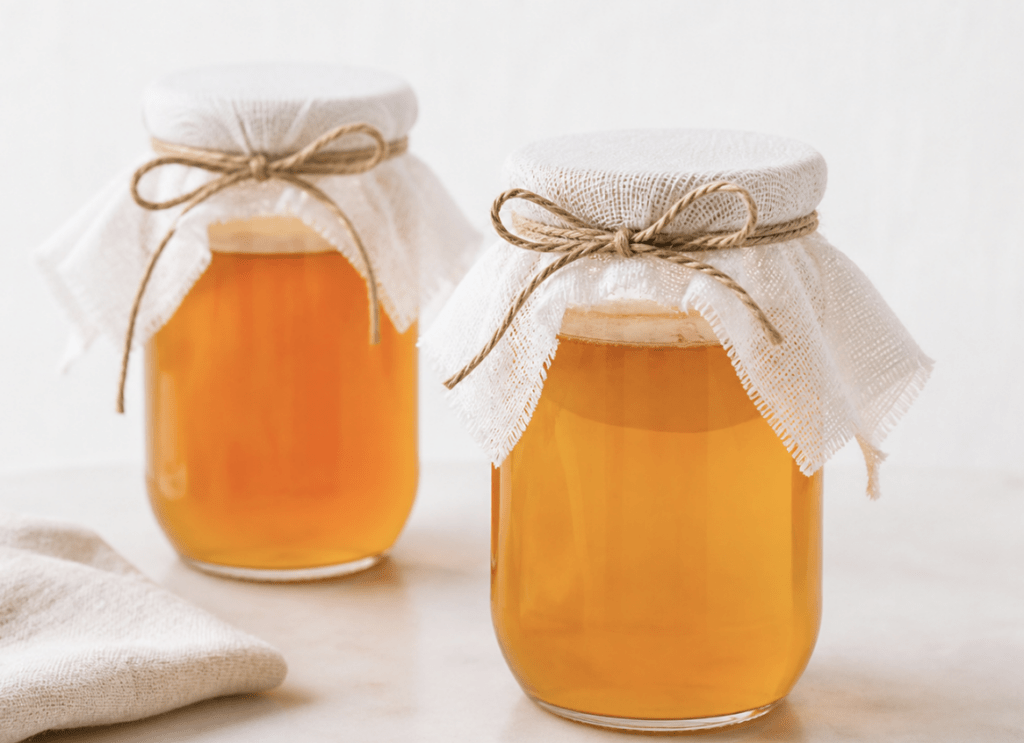
Let’s talk visuals.
Because kombucha is weirdly photogenic.
The colors. The glass. The bubbles.
It’s perfect for kombucha photography styling.
I get why people create entire kombucha photoshoot setups.
What Surprised Me the Most
I expected it to taste strong.
Almost aggressive.
But most of these were… gentle.
Balanced.
Approachable.
Even the kombucha drink with citrus fruits felt refreshing, not harsh.
Final Thoughts
Kombucha isn’t a miracle.
But it is incredibly effective at one thing.
Making you feel like you made a better choice without sacrificing enjoyment.
And honestly, that’s enough.
Outro
Kombucha changed how I think about drinks.
Not in a dramatic way.
In a quiet, consistent way.
And those are the habits that actually stick.
FAQ
What is kombucha exactly?
A fermented tea made using a scoby. It creates natural fizz and beneficial compounds.
Does kombucha contain alcohol?
Yes, but very small amounts. Some alcoholic kombucha brands increase it.
Is kombucha good for digestion?
Many people report benefits related to kombucha digestive health, including me.
Can I make kombucha at home?
Yes. You can try kombucha diy or kombucha brewing, but it requires care.
What is jun kombucha?
A variation made with green tea and honey instead of sugar. See jun kombucha recipe for details.
How often should I drink it?
Start slow. A few times a week is enough.
This post showed you the real experience behind kombucha, the flavors, and the benefits.
You may also like:
Bibliography
- Jayabalan, R., Malbaša, R. V., Lončar, E. S., Vitas, J. S., & Sathishkumar, M. (2014). A review on kombucha tea: Microbiology, composition, fermentation, beneficial effects, toxicity, and tea fungus. Comprehensive Reviews in Food Science and Food Safety.
- Villarreal-Soto, S. A., Beaufort, S., Bouajila, J., Souchard, J. P., & Taillandier, P. (2018). Understanding kombucha tea fermentation: A review. Journal of Food Science.
- Bhattacharya, S., Gachhui, R., & Sil, P. C. (2016). Effect of kombucha tea on antioxidant activity. Food Chemistry.
- Greenwalt, C. J., Ledford, R. A., & Steinkraus, K. H. (2000). Determination and characterization of the antimicrobial activity of the fermented tea kombucha. Food Microbiology.
- Aloulou, A., Hamden, K., Elloumi, D., Ali, M. B., Hargafi, K., Jaouadi, B., Ayadi, F., Elfeki, A., & Ammar, E. (2012). Hypoglycemic and antilipidemic properties of kombucha tea in diabetic rats. BMC Complementary and Alternative Medicine.