Sea Moss Benefits and Why I Take it Everyday
Sea moss has become one of the most talked-about superfoods in the wellness space.
I avoided it at first.
Not because I doubted sea moss benefits, but because I wanted to understand the science before committing to another daily habit.
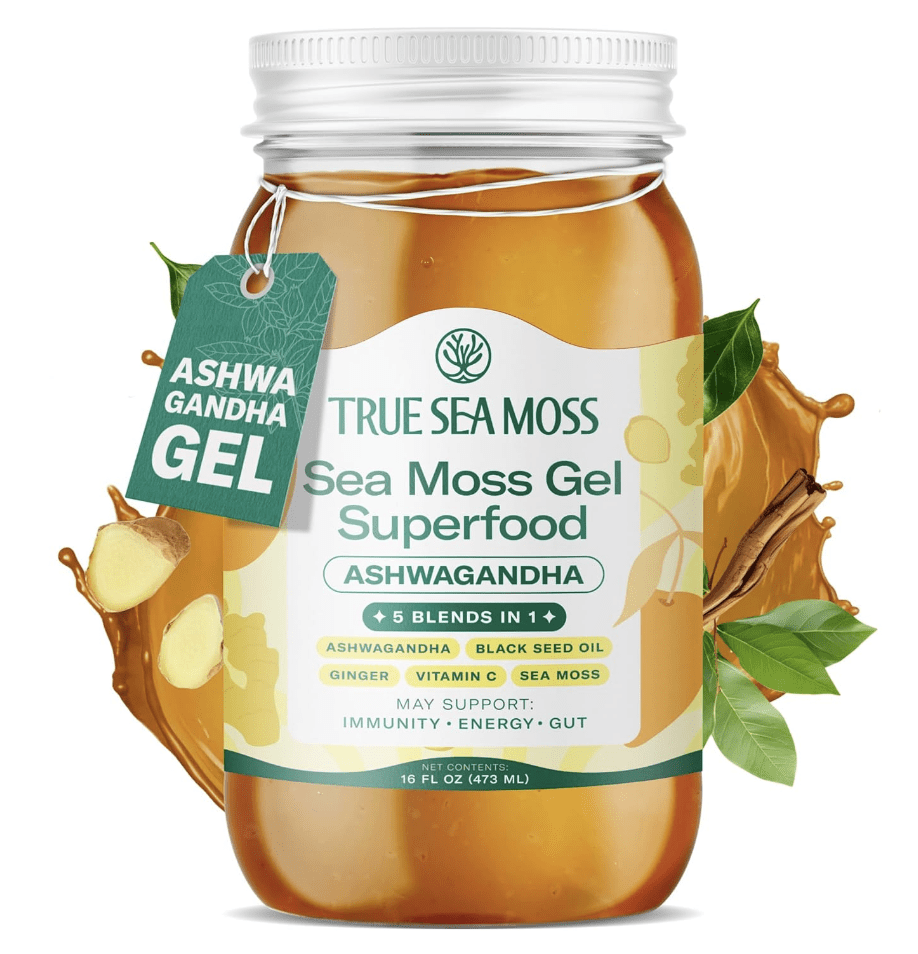

After researching the data and using sea moss gel consistently, I now understand why sea moss has held a place in traditional nutrition for centuries.
This post is my honest breakdown of benefits of sea moss, what research actually supports, how I personally use it, and what people need to know before adding it to their routine.
This article is for informational and educational purposes only and reflects my personal experience and research. Sea moss and sea moss gel may not be appropriate for everyone. Individual responses can vary, especially for those with thyroid conditions, iodine sensitivity, chronic illness, or who are pregnant or breastfeeding. Always consult with a qualified healthcare professional before starting any new supplement, herbal product, or dietary change.
This post contains affiliate links. I may earn a small commission, at no extra cost to you.
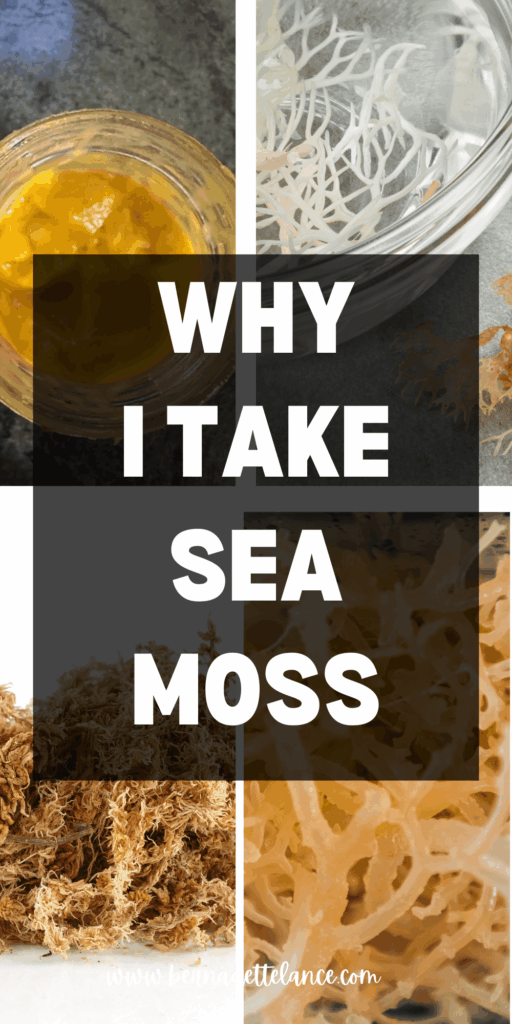
What Is Sea Moss?
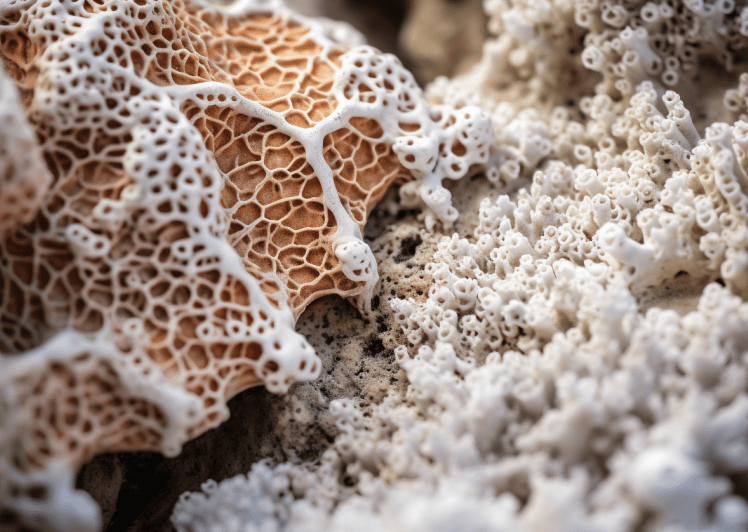
Sea moss is a red algae species, scientifically known as Chondrus crispus.
It is commonly referred to as Irish sea moss, especially when harvested from the Atlantic coasts of Ireland, Canada, and parts of Europe.
Sea moss has been used traditionally as a thickener, food source, and nutritional support during times of scarcity. Historical records show it was widely consumed during the Irish Potato Famine as a survival food.
From a nutritional standpoint, sea moss is valued for its mineral content, soluble fiber, and bioactive compounds found in marine plants.
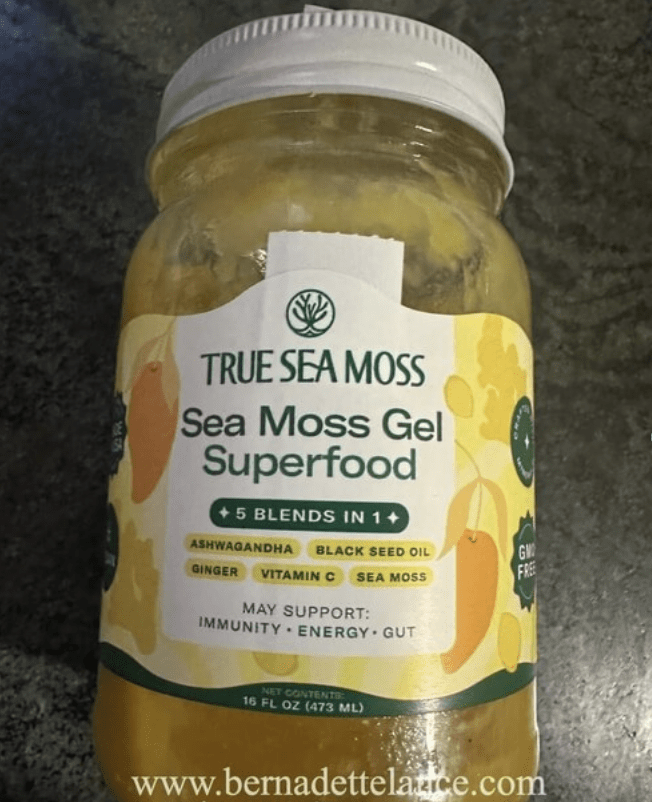
Why Sea Moss Became Popular Again
Modern interest in sea moss is driven by three main factors.
First, increased awareness of mineral deficiencies in modern diets.
Second, renewed interest in traditional and ancestral foods.
Third, the rise of sea moss gel as a versatile and accessible form.
While social media accelerated the trend, scientific interest in seaweed as a functional food existed long before Instagram.
Different Types of Sea Moss
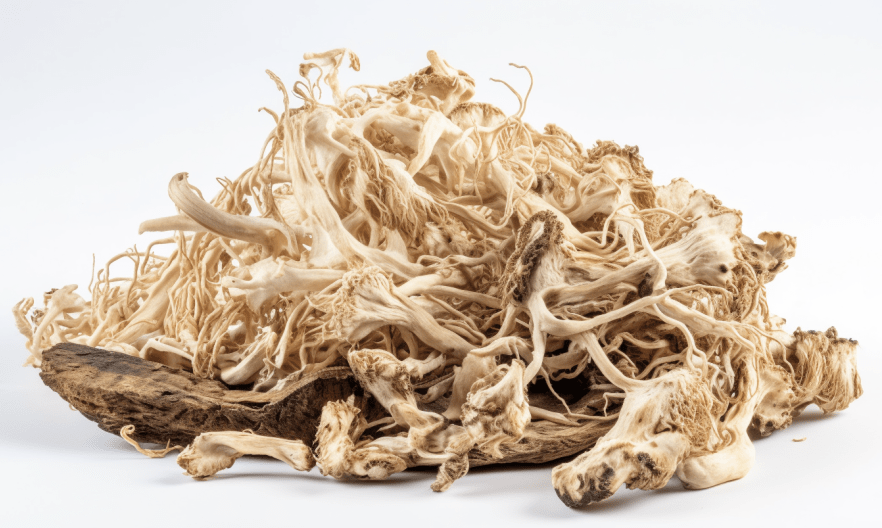
One thing that surprised me when I first started learning about sea moss is that there isn’t just one type. While they’re all commonly called “sea moss,” several different species are sold as supplements, and each has its own appearance, texture, and nutrient profile.
No matter which variety you choose, sea moss is valued for being naturally rich in minerals, fiber, and antioxidants. However, understanding the differences can help you pick the one that’s right for your goals.
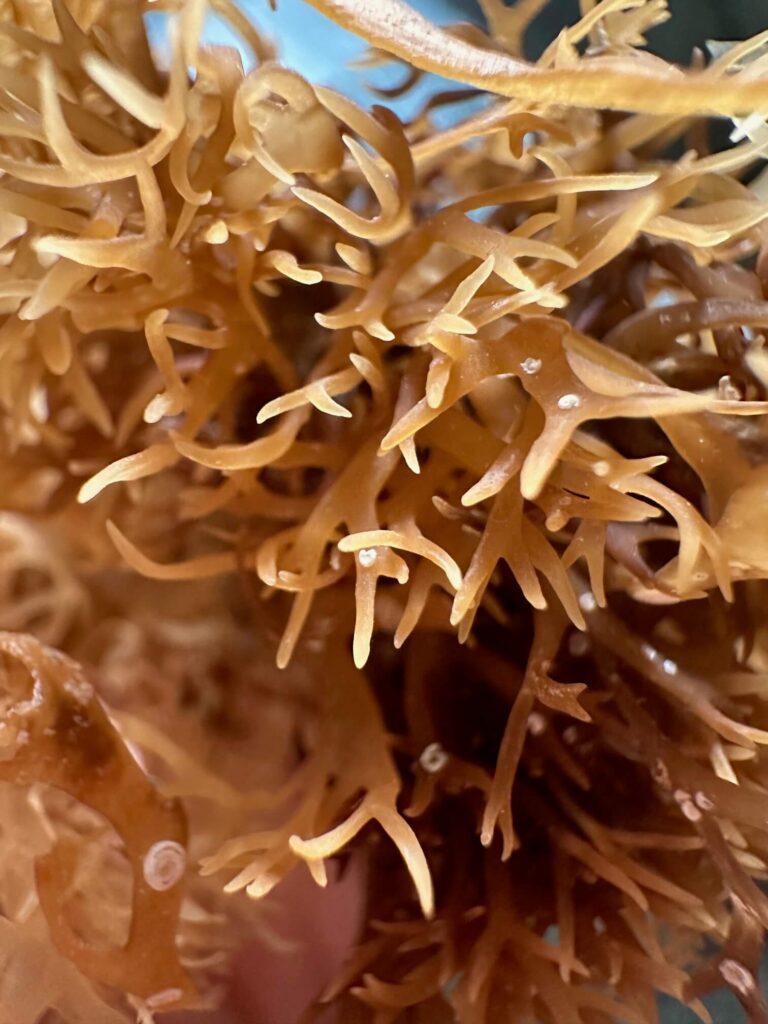
Gold Sea Moss
The one I eat. Gold sea moss is by far the most common variety you’ll find in health food stores and online.
Its light golden color usually comes from being naturally sun-dried after harvesting, although some products are artificially bleached to achieve a brighter appearance. That’s why it’s always worth buying from a reputable company that explains how its sea moss is processed.
Gold sea moss has a mild taste and is often used to make sea moss gel, smoothies, soups, and homemade wellness drinks. If you’re trying sea moss for the first time, this is probably the easiest variety to start with.

Purple Sea Moss
Purple sea moss grows in environments with greater sun exposure, allowing it to develop naturally occurring pigments called anthocyanins, the same family of antioxidants found in blueberries and purple grapes.
Many sea moss enthusiasts believe purple sea moss contains slightly higher levels of antioxidants than the gold variety, although research comparing the two is still limited.
Its flavor is a little stronger, but many people enjoy it blended into smoothies or prepared as sea moss gel.
Green Sea Moss
Green sea moss is considered one of the least processed varieties because it often retains its natural green color after harvesting.
Some people prefer green sea moss because they believe minimal processing helps preserve more of its naturally occurring nutrients. Like other varieties, it can be soaked and blended into a gel that works well in drinks, soups, desserts, and recipes.
Wildcrafted vs. Pool-Grown Sea Moss
Besides color, one of the biggest differences is how the sea moss is grown.
Wildcrafted sea moss is harvested from its natural ocean environment. Many people prefer it because it develops under natural conditions and is exposed to ocean currents, minerals, and sunlight. Since it grows more slowly, wildcrafted sea moss often has a firmer texture and more variation in color.
Pool-grown sea moss, on the other hand, is cultivated in controlled saltwater pools or tanks. This method helps meet growing demand while reducing pressure on natural sea moss populations. High-quality pool-grown sea moss can still be nutritious, although many consumers prefer wildcrafted varieties for their more natural growing conditions.
Nutritional Profile of Sea Moss
Sea moss is often described as mineral-rich.
That description is accurate.
According to nutritional analyses, sea moss contains:
• Iodine, essential for thyroid hormone production
• Magnesium, involved in hundreds of enzymatic reactions
• Calcium, important for bone and nerve function
• Potassium, critical for fluid balance and muscle contraction
• Zinc, necessary for immune and skin health
• Iron, required for oxygen transport
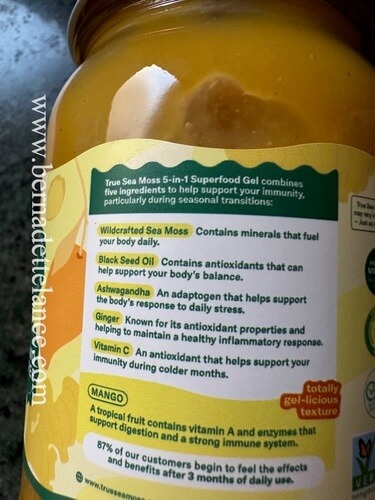
• Vitamin C, an antioxidant that supports immune defense
Studies analyzing red algae confirm that sea moss contains both macro- and trace minerals, although levels vary depending on harvest location and processing methods.
Sea Moss Benefits Explained Through Research
When discussing sea moss benefits, it is important to separate anecdotal claims from evidence-supported mechanisms.
Most research focuses on seaweed broadly rather than sea moss alone. However, Irish sea moss shares many properties with other studied red algae species.

Sea Moss and Thyroid Function
One of the most discussed benefits of sea moss relates to thyroid health.
The thyroid gland requires iodine to synthesize the hormones T3 and T4. These hormones regulate metabolism, temperature, energy, and neurological development.
Sea moss is a natural source of iodine.
Research confirms that iodine deficiency remains a global issue, particularly in populations that avoid iodized salt or seafood.
That said, iodine intake must be balanced.
Excess iodine can disrupt thyroid function, particularly in individuals with autoimmune thyroid conditions.
From my perspective, sea moss should be viewed as a nutritional contributor, not a thyroid treatment.
Moderation matters. Always consult with your health care provider before starting any new supplements.
Sea Moss Gel Benefits for Digestion
One of the first benefits I noticed personally involved digestion.
Sea moss contains soluble fiber, which forms a gel-like substance when hydrated.
This fiber acts as a prebiotic.
Prebiotics feed beneficial gut bacteria and help support intestinal balance.
Research on seaweed fibers shows they may:
• Improve stool consistency
• Support gut barrier integrity
• Reduce inflammation in the digestive tract
The mucilaginous texture of sea moss gel is particularly soothing, which may explain why it has traditionally been used for gastric discomfort.
This aligns with why sea moss gel benefits are so often linked to gut health.
Immune System Support
Sea moss contains nutrients that play roles in immune function, including zinc, iron, and vitamin C.
Additionally, red algae contain polysaccharides with immunomodulatory properties.
Laboratory studies suggest these compounds may influence immune cell activity and inflammatory pathways.
Human clinical data is still limited, but nutrient sufficiency alone plays a critical role in immune resilience.
From a practical standpoint, I see sea moss as immune supportive, not immune boosting.
There is a difference.
Anti-Inflammatory and Antioxidant Properties
Sea moss contains antioxidants that help neutralize free radicals.
Oxidative stress contributes to aging, metabolic dysfunction, and chronic disease.
Research on marine algae shows antioxidant activity linked to phenolic compounds and sulfated polysaccharides.
This may partially explain why sea moss is often associated with skin health, joint comfort, and recovery.
Again, this does not mean sea moss is a cure.
It means it contributes to an environment where the body functions more efficiently.
Sea Moss Benefits for Women
Many conversations focus on sea moss benefits for women, and there are valid reasons for this.
Women are statistically more prone to mineral deficiencies, particularly iron, magnesium, and iodine.
Sea moss may support:
• Hormonal balance through thyroid support
• Energy levels through iron and magnesium
• Skin and hair health through zinc and antioxidants
• Digestive comfort through soluble fiber
Personally, I noticed improved skin hydration and more stable energy after consistent use.
Sea Moss and Skin Health
Skin reflects internal health.
Mineral sufficiency, hydration, and gut function all play a role.
Sea moss contributes indirectly by supporting these systems.
Additionally, sea moss gel is sometimes used topically due to its soothing and hydrating texture.
While topical use lacks robust clinical data, the internal benefits align with known nutritional principles.
Irish Sea Moss vs Other Seaweeds
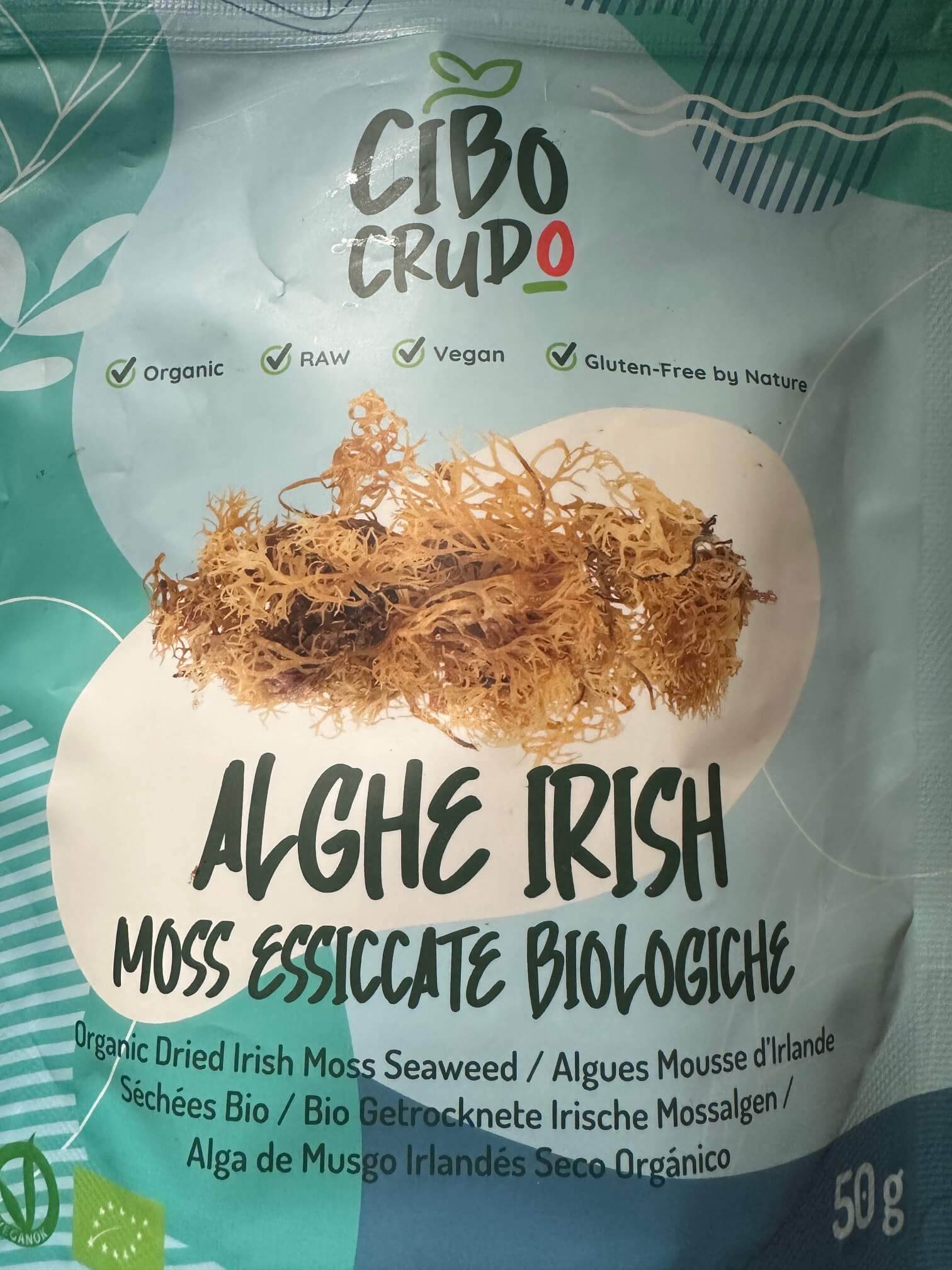
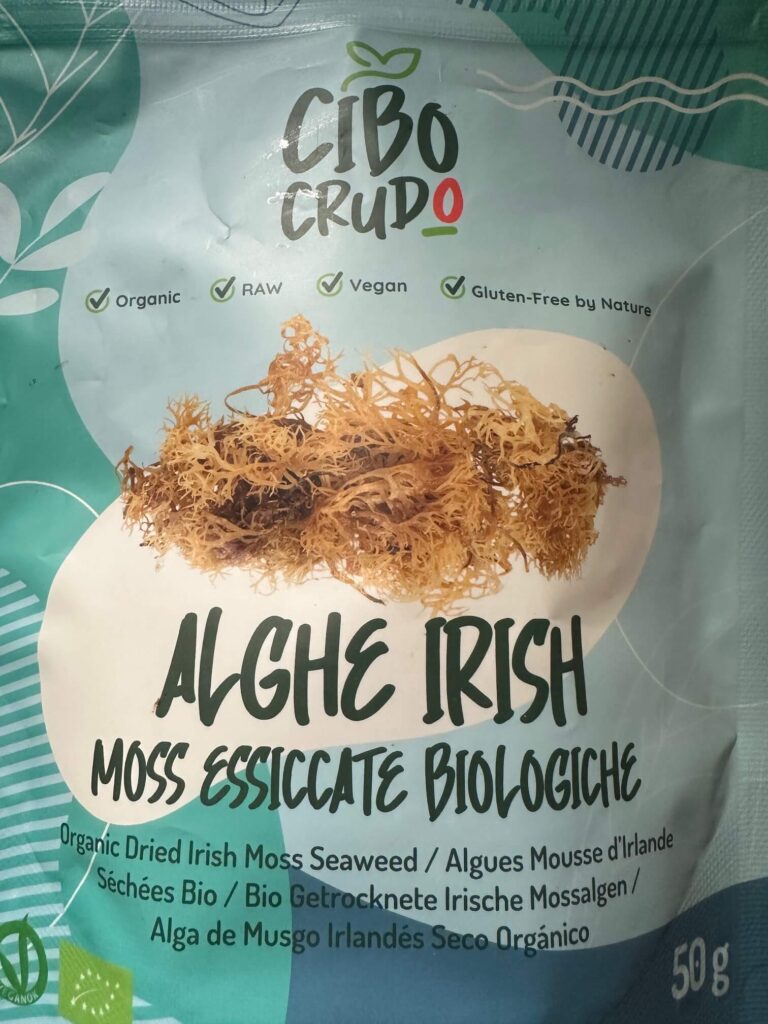
Not all seaweeds are the same. I have taken both sea moss and Irish sea moss.
Irish sea moss differs from kelp, wakame, and spirulina in mineral balance and fiber composition.
Kelp is often much higher in iodine.
Spirulina is a cyanobacteria, not a seaweed.
Sea moss sits somewhere in the middle, offering minerals without extremely high iodine levels when consumed moderately.
This is one reason I personally prefer Irish sea moss.
Sea Moss Gel vs Capsules vs Gummies
There are many ways to consume sea moss.
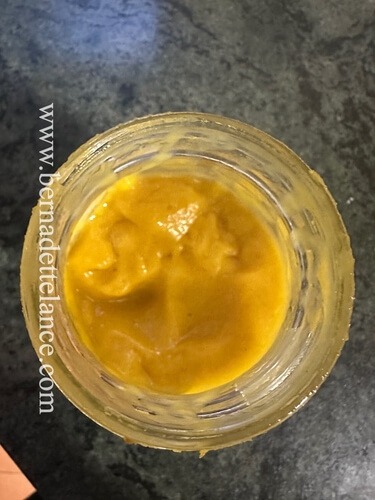
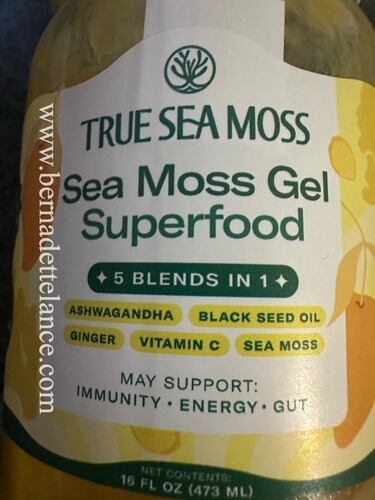
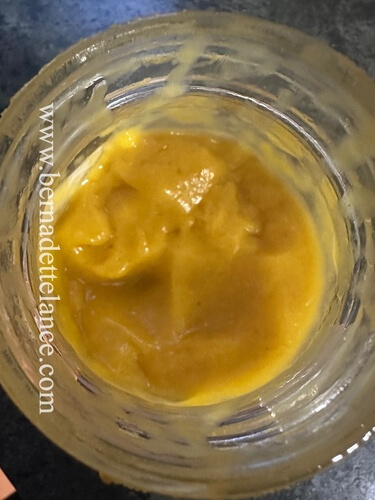
Sea Moss Gel
This is my preferred method.
It is minimally processed.
It retains fiber.
It blends easily into foods.
This is where most sea moss gel benefits are preserved.
Sea Moss Capsules
Capsules are convenient.
However, they often contain lower doses.
Some also lack fiber.
They can still be useful but are not my first choice.
Sea Moss Gummies
Gummies are appealing but often contain sweeteners and stabilizers.
They may be helpful for beginners but typically offer less nutritional value.
How I Use Sea Moss Gel Daily
Consistency matters more than quantity.
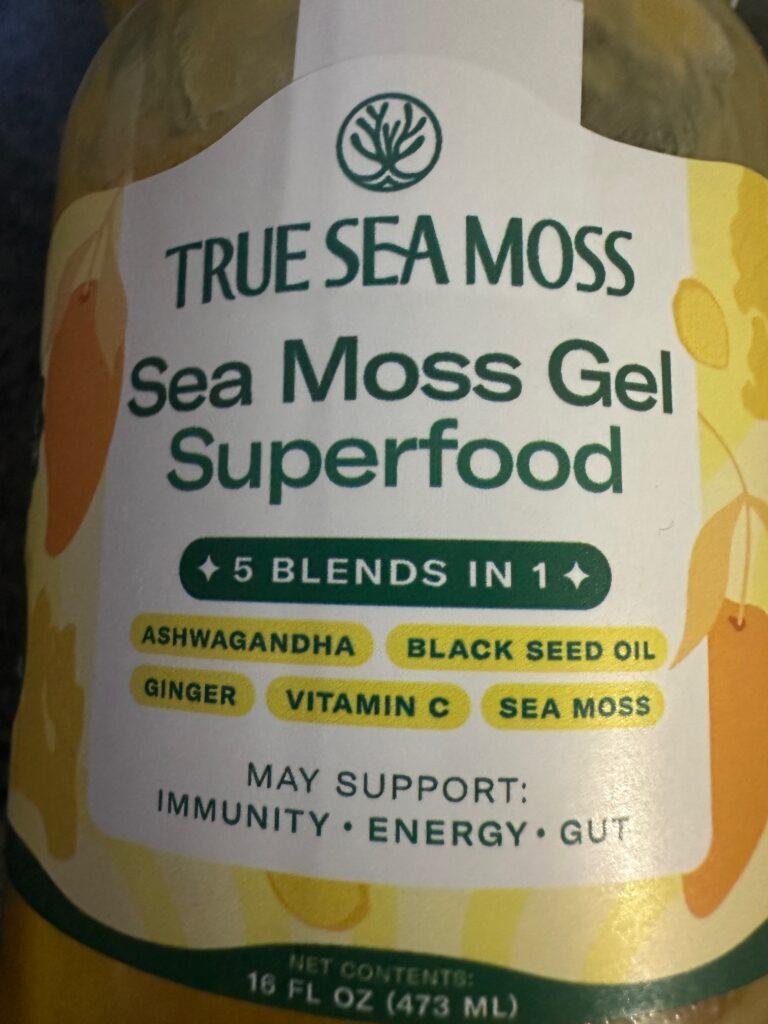
I typically use one to two tablespoons per day.
I add sea moss gel to:
• Smoothies
• Herbal teas
• Soups
• Oatmeal
• Fruit bowls
The flavor is mild.
The texture disappears when blended.
This makes it easy to maintain as a habit.
Sea Moss Recipes I Actually Use
People often ask about sea moss recipes.
Here are simple options that do not require culinary skills.
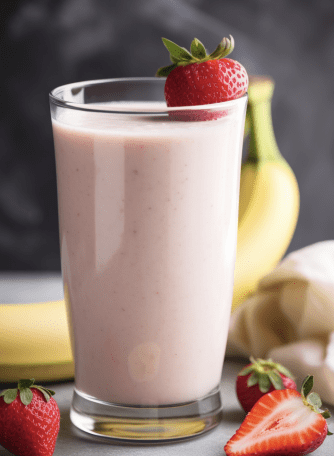
Sea Moss Smoothie
Banana
Berries
Almond milk
One tablespoon sea moss gel
Blend and drink.
Sea Moss Tea
Warm herbal tea
One teaspoon sea moss gel
Stir until dissolved
Sea Moss Soup Base
Add sea moss gel to vegetable soup as a natural thickener.
This mirrors its traditional culinary use.
How to Make Sea Moss Gel at Home
Many people ask about how to make sea moss gel.
The process is simple but requires care.
Basic steps include:
• Rinsing dried sea moss thoroughly
• Soaking for 12 to 24 hours
• Blending with fresh water
• Refrigerating immediately
Clean sourcing is critical.
Poor quality sea moss may contain contaminants.
This is why many people choose prepared gels from trusted brands.
Safety Considerations and Contraindications
Sea moss is not appropriate for everyone.
Important considerations include:
• Thyroid conditions
• Pregnancy
• Kidney disease
• Sensitivity to iodine
Excess iodine intake can disrupt thyroid function.
Seaweed can also accumulate heavy metals depending on water quality.
This is why sourcing and moderation matter.
I personally cycle sea moss rather than taking it continuously year-round.
What Science Still Does Not Know
Despite growing interest, large-scale human clinical trials on sea moss are limited.
Most data comes from:
• In vitro studies
• Animal models
• Observational nutrition research
This does not invalidate sea moss benefits.
It simply means claims should remain grounded.
My Final Thoughts on Sea Moss
After long-term use and research, my position is clear.
Sea moss is not a miracle.
It is a nutrient-dense whole food.
It supports the body when used responsibly.
The benefits of sea moss work best when combined with:
• A balanced diet
• Proper sleep
• Stress management
• Overall mineral sufficiency
For me, sea moss gel has earned its place in my routine.
Not because it promises everything.
But because it supports the basics.
And sometimes, that is exactly what health needs.