The Best DIY Hair Mask for Damaged Hair
Hair mask is the first thing I reach for when my hair starts acting off. Dry ends, weird texture, more breakage than usual, dull color, or that feeling like your hair just will not behave no matter what you do. A good hair mask fixes more than most products combined.
I have tried a lot over the years. Salon masks, drugstore masks, viral masks, expensive masks that promised everything and delivered nothing. What actually made the biggest difference was learning how to make a DIY hair mask at home using simple ingredients that make sense.
This post is about the best hair mask for damaged hair, the kind you can customize, understand, and actually enjoy using. I am also sharing one variation for damaged hair with flaky scalp, because those two problems often show up together and need different care.
I will also talk honestly about two bought masks I like and still use, because convenience matters and I am not pretending otherwise.
Intro
I started paying attention to hair masks when my hair stopped feeling like hair. It felt dry but also oily at the scalp. Frizzy but flat. Shiny one day and straw like the next. Nothing I used consistently fixed it.
The problem was not one product. It was imbalance.
Most commercial masks are either too heavy or too weak. They also rarely address the scalp, which is where everything starts. When I began making my own homemade hair mask, my hair slowly went back to normal. Softer, smoother, easier to detangle, and way less dramatic.
This is the routine I come back to every time my hair needs help.
First things First: Scalp Care!
Why scalp care matters more than most people realize
Before we even talk about a hair mask, we need to talk about the scalp. I ignored my scalp for years. I focused on ends, shine, frizz, breakage, and completely forgot that hair literally grows out of skin. When the scalp is stressed, dry, congested, or irritated, no hair mask in the world is going to fully fix what is happening.
Once I started treating my scalp like skincare, everything changed. Less shedding. Less itchiness. Better growth. Hair that actually responded to masks instead of just sitting there feeling coated.
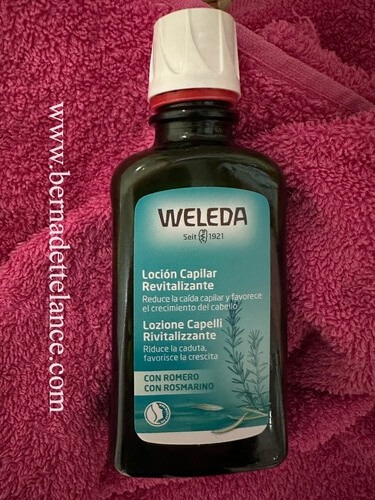
This is why I rotate in scalp treatments even when my hair looks fine. One I have used for a long time is the Weleda Revitalizing Hair Lotion with rosemary. It feels old school in the best way. Lightweight, herbal, and focused on circulation rather than cosmetic shine. I like using it when my scalp feels tired, especially during shedding phases or seasonal changes.
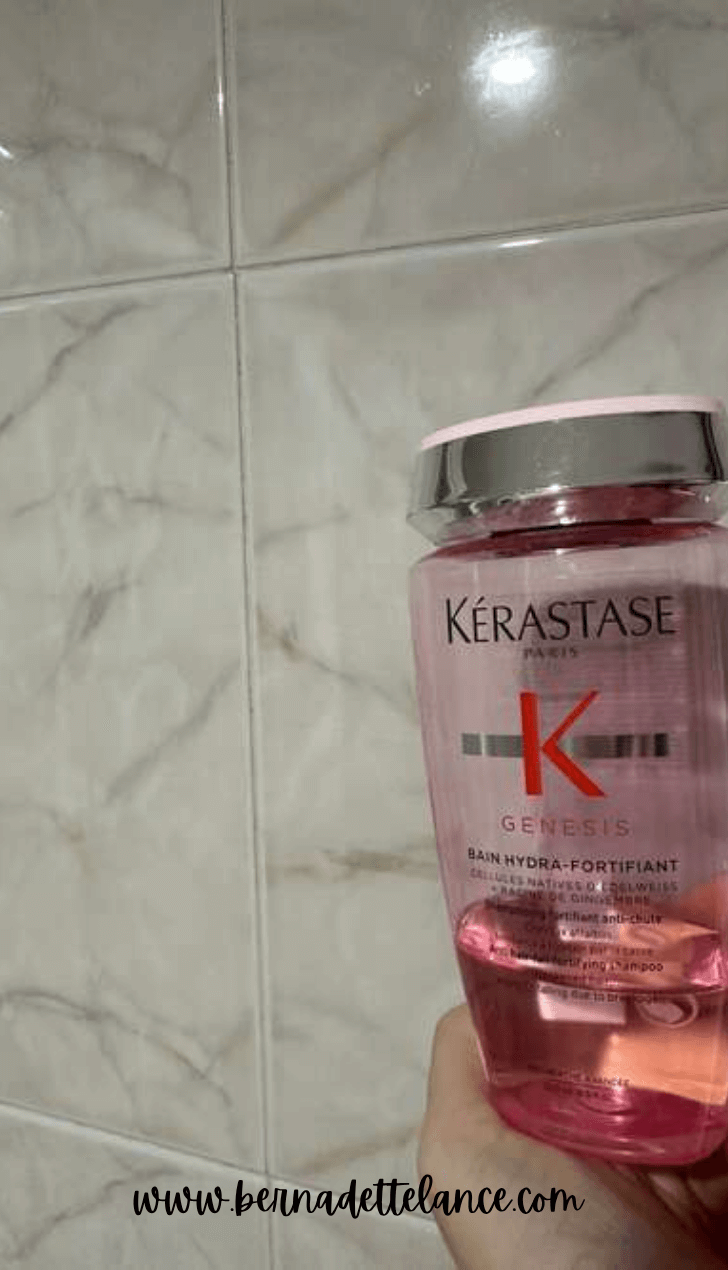
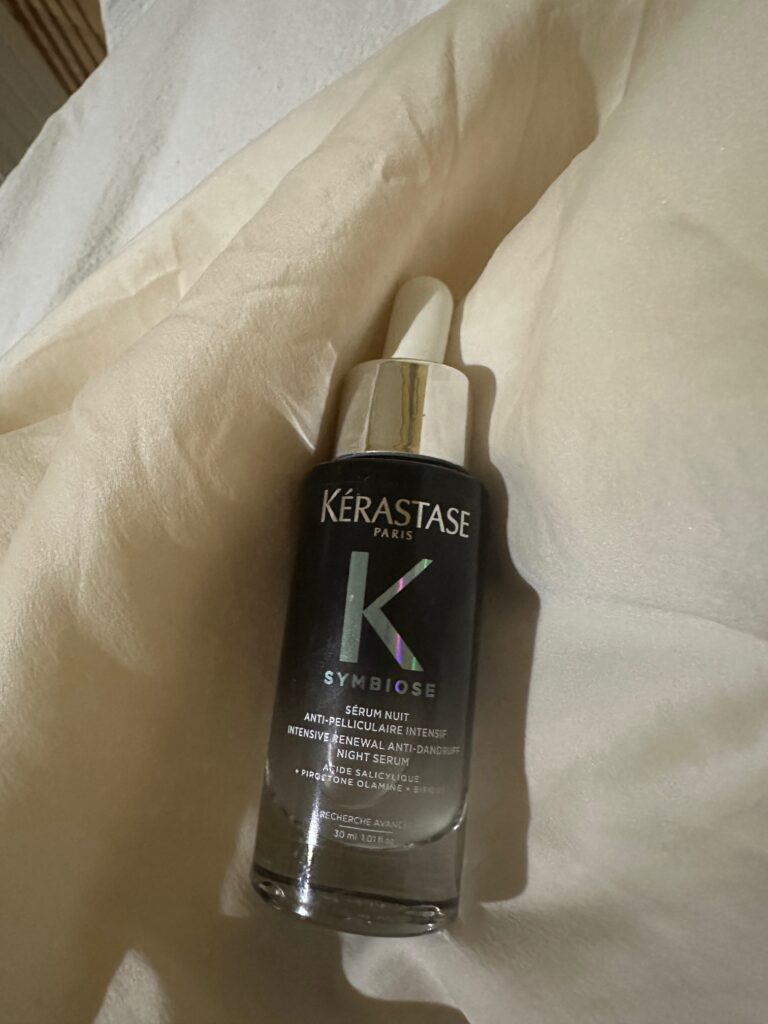
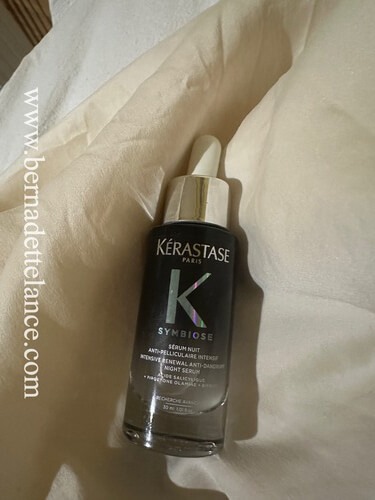
Another product I use when my scalp feels irritated or unbalanced is the Kérastase Symbiose serum. It is more targeted and calming, especially if there is itchiness or sensitivity. I do not use it every day, but when my scalp feels off, it brings things back to normal fast.
Taking care of the scalp first makes every hair mask for damaged hair work better. When the scalp is calm and healthy, masks absorb better, hair feels softer for longer, and you stop chasing results that never quite last.
That is why the recipes below are not just about making hair look good for one wash. They are about supporting the scalp so your hair can actually recover and grow the way it should.
Hair mask for damaged hair (Regular Scalp)
A hair mask for damaged hair should focus on moisture, flexibility, and softness. Not protein overload. Not stiff coatings. Just nourishment that makes hair feel alive again.
This recipe is my go to when my hair feels dry, overstyled, or tired.
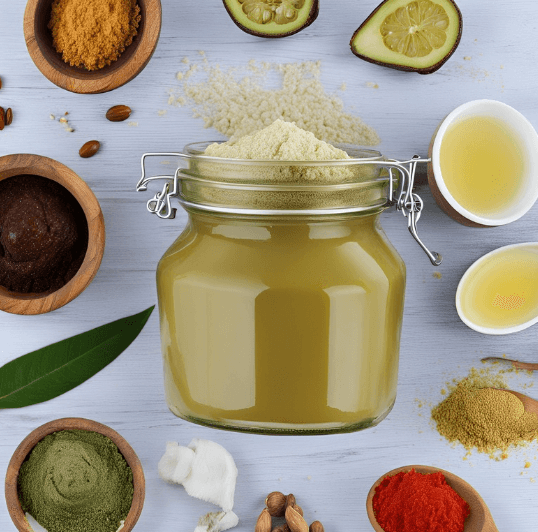
DIY hair mask for damaged hair recipe
Ingredients
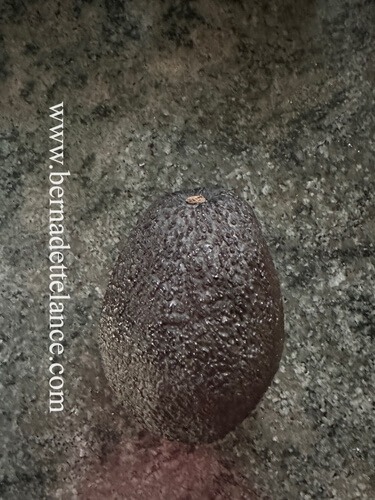
• Half a ripe avocado
• 1 tablespoon raw honey
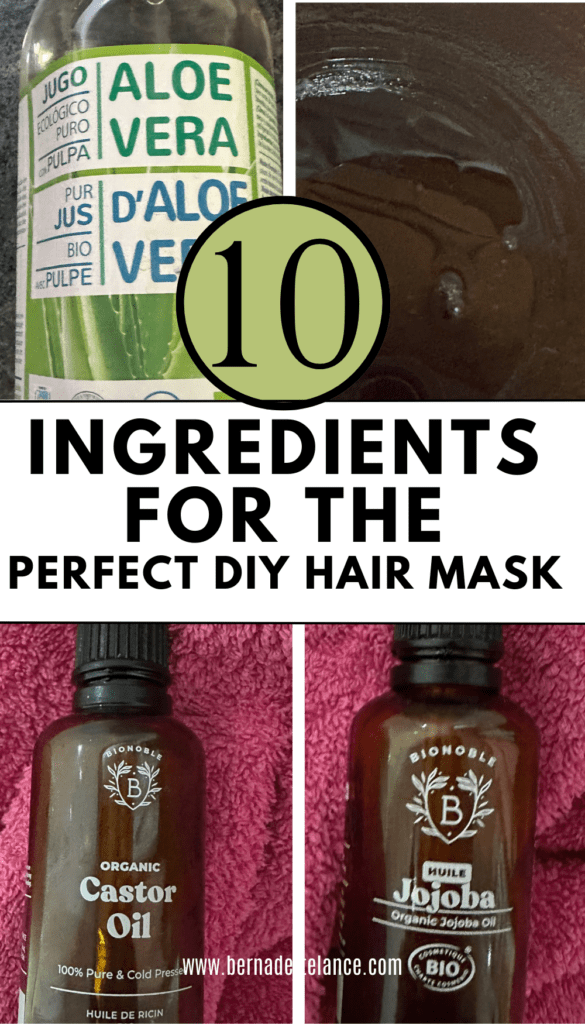
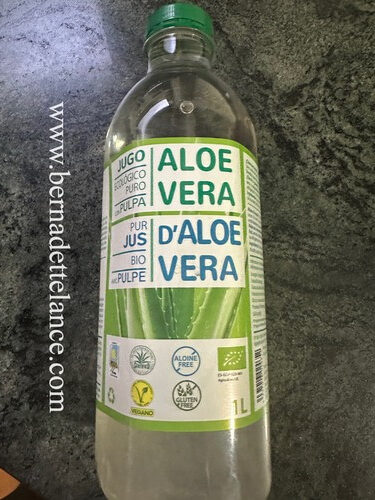
• 3 tablespoons aloe vera juice
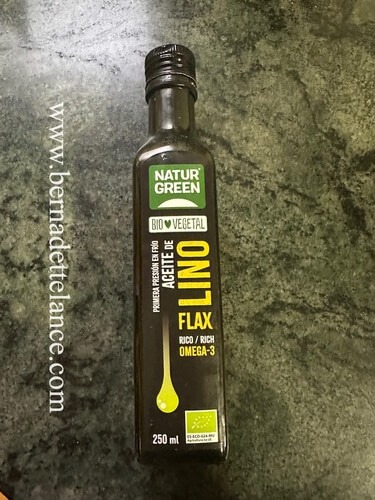
• 2 tablespoons flaxseed oil
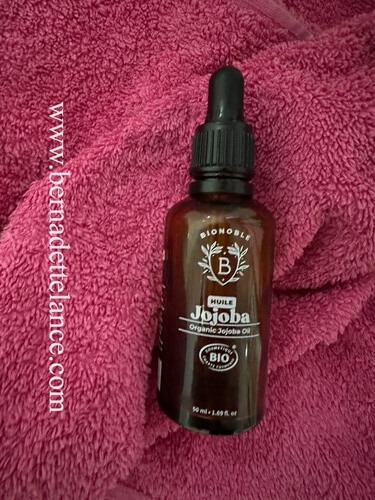
• 1 teaspoon jojoba oil
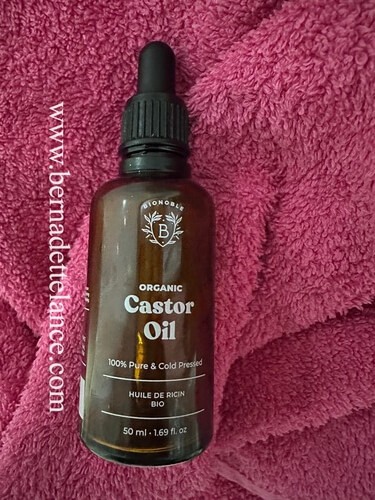
• Half teaspoon castor oil
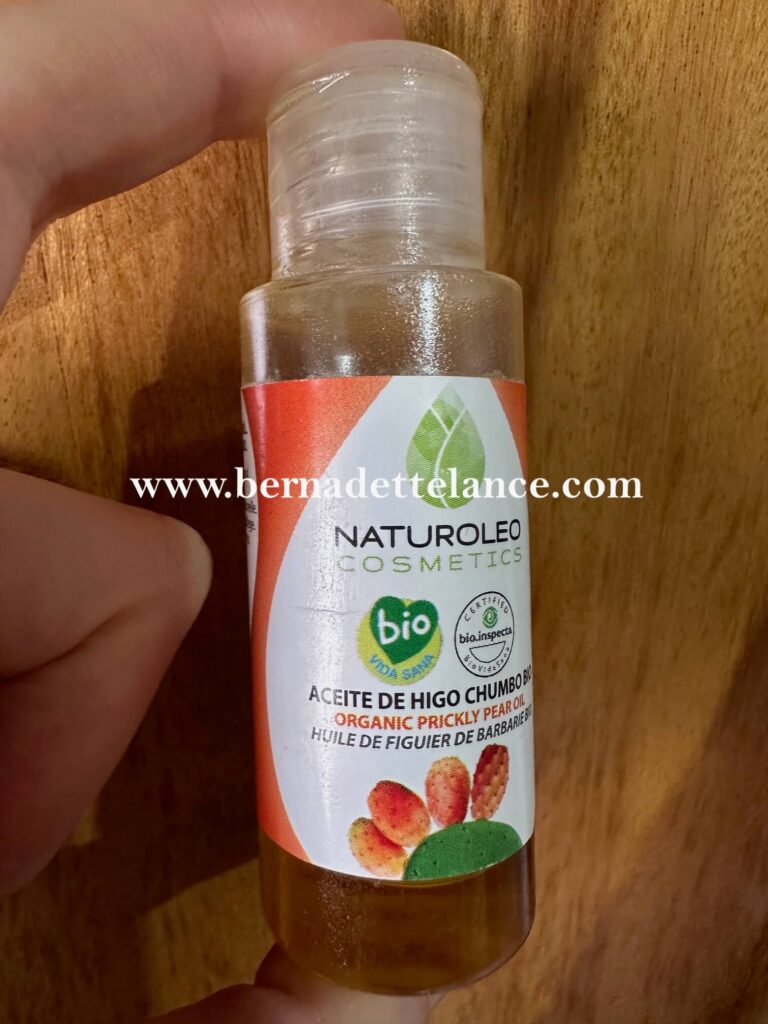
• A few drops prickly pear oil.
Why these ingredients work
Avocado adds fatty acids and softness. It helps damaged hair feel elastic again instead of brittle.
Honey is a natural humectant. It pulls moisture into the hair and helps it stay there. It also adds shine without making hair greasy.
Aloe vera hydrates and soothes without weighing hair down. It makes the mask easier to spread and rinse.
Flaxseed oil smooths the hair cuticle. This is what helps with tangles, frizz, and that rough feeling when you run your fingers through your hair.
Jojoba oil mimics the scalp’s natural oils, so it nourishes without clogging or heaviness.
Castor oil strengthens over time and supports hair mask for growth when used consistently. A little goes a long way.
Prickly pear oil adds shine and antioxidant support. This is optional but very nice if your hair looks dull.
How to make it
Mash the avocado until completely smooth. No chunks. This matters.
Add honey and mix well. Then add aloe vera juice and flaxseed oil. Stir until creamy.
Finish with the oils and mix again.
If it feels too thick, add a bit more aloe. If it feels too runny, add a little more flaxseed oil.
How to use it
Apply to damp hair, focusing on mid lengths and ends. If your scalp is dry but not flaky, you can apply lightly at the roots too.
Leave on for 30 to 45 minutes.
Rinse thoroughly with lukewarm water. Shampoo gently if needed.
This hair mask for smooth and silky hair leaves hair soft, flexible, and easy to style.
Hair mask for damaged hair and flaky scalp
Flaky scalp needs extra care. Scrubbing harder or washing more usually makes it worse. This recipe is calming, nourishing, and gentle, while still repairing damaged hair.
DIY hair mask for damaged hair and flaky scalp recipe
Ingredients
• Half a ripe avocado
• 1 tablespoon raw honey
• 3 tablespoons aloe vera juice
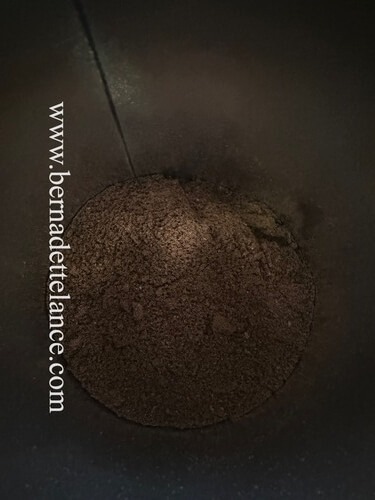
• 1 tablespoon freshly brewed strong coffee, cooled
• 2 tablespoons flaxseed oil
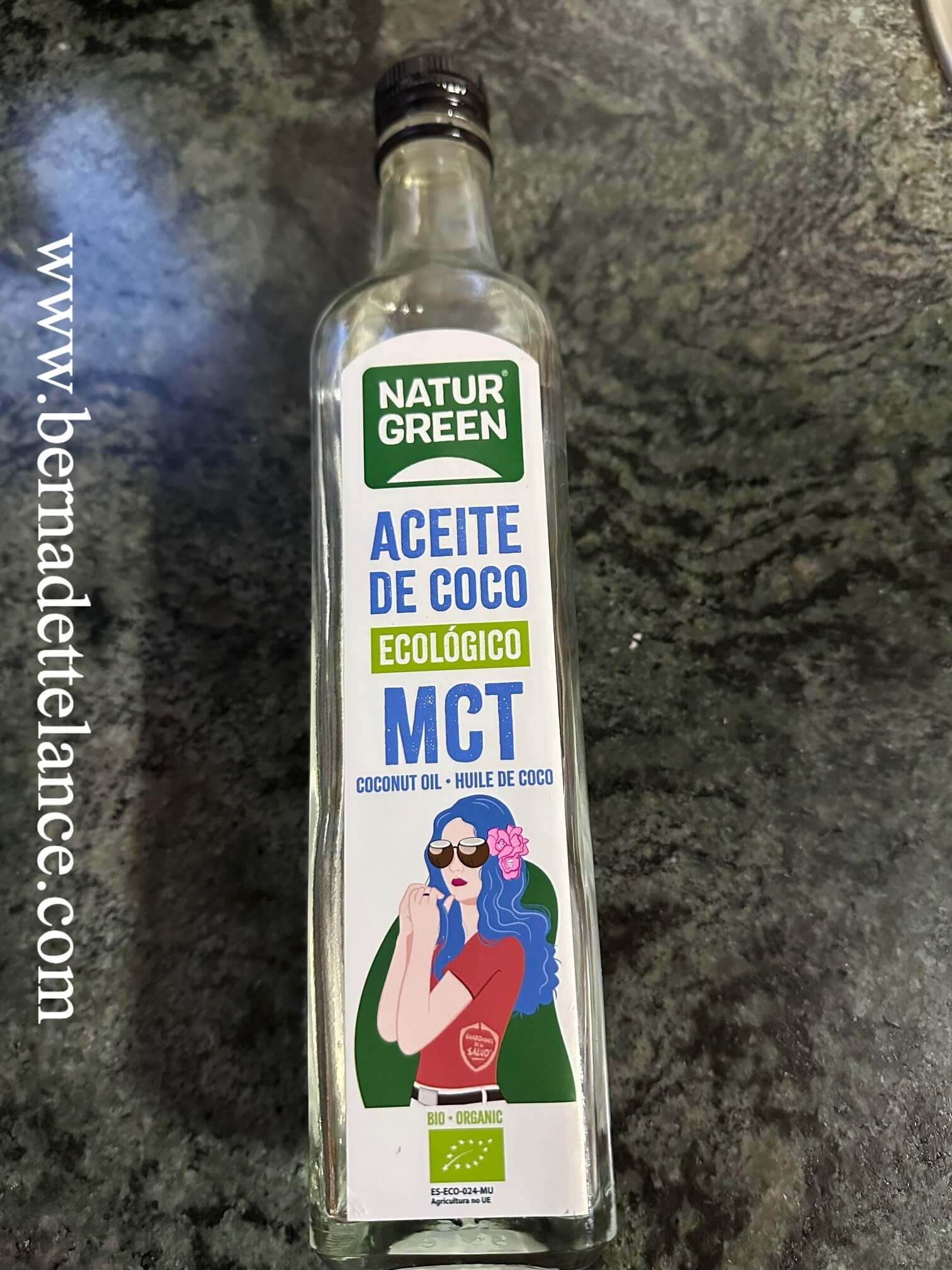
• 1 teaspoon MCT oil instead of coconut oil
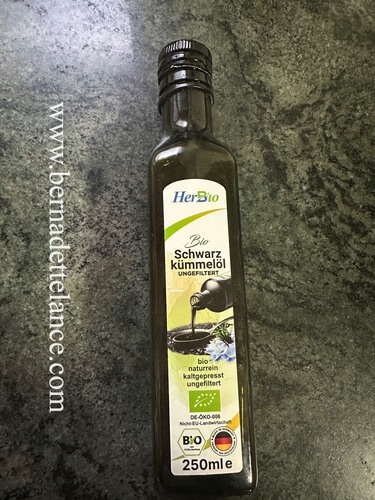
• Half teaspoon black seed oil
Why this version is different
This version includes coffee for the scalp, which helps stimulate circulation and wake up sluggish roots. It also helps exfoliate lightly without irritation.
MCT oil or coconut oil helps soothe flakes and dryness. MCT oil is better if coconut oil tends to irritate your scalp.
Black seed oil calms inflammation and supports overall scalp health.
Everything else keeps hair soft and hydrated so the ends still benefit.
How to make it
Prepare it the same way as the first recipe. Make sure the coffee is fully cooled before adding it.
Mix until smooth and creamy.
How to use it
Apply directly to the scalp first, massaging gently with fingertips. Then distribute through the lengths of your hair.
Cover with a shower cap and leave on for 20 to 30 minutes.
Rinse well. Shampoo gently. Do not scratch your scalp.
This aloe vera hair mask variation is excellent if flakes come and go or show up during stress, seasonal changes, or dry weather.
Hair mask for frizzy hair and dull texture
Both recipes help with frizz, but the first one is better if frizz is coming from dryness, while the second is better if frizz starts at the scalp.
Flaxseed oil is doing most of the smoothing work here. Oils help seal everything in.
If your hair frizzes five minutes after drying, this routine helps a lot.
Hair mask for growth expectations
No hair mask for growth will magically grow new hair overnight. What it does is create the right environment so hair can grow without breaking or shedding excessively.
Healthy scalp, less dryness, less irritation, and stronger strands over time make a real difference.
Consistency matters more than intensity.
If you want to learn how I actually made my hair grow faster, check the post I wrote about it:
Best hair mask store bought options I like
I still use store bought masks when I do not feel like mixing anything. These are the two I actually enjoy and repurchase.
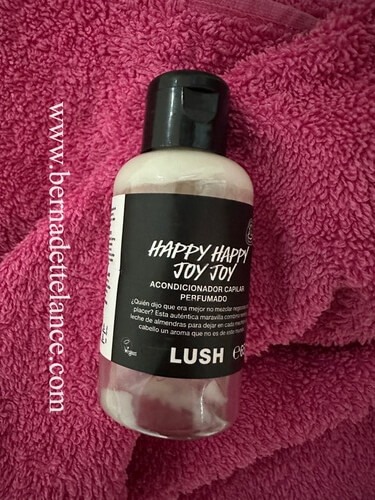
Joy Joy conditioner by Lush
Joy Joy feels comforting and easy. It smells nice without being overwhelming and leaves hair soft and manageable.
It is not as deep as my DIY hair mask, but it is great for maintenance and busy days.
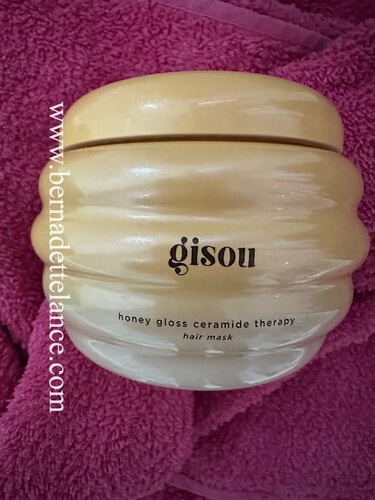
Gisou ceramide mask
The Gisou ceramide mask is richer and more polished. I use it when my hair feels extra dry or stressed.
It works well, but I use it less often because it is heavier.
DIY hair mask vs store bought masks
| Feature | DIY Hair Mask | Store Bought Mask |
|---|---|---|
| Customizable | Yes | No |
| Ingredient control | Full | Limited |
| Cost per use | Lower | Higher |
| Scalp focused | Yes | Sometimes |
| Convenience | Medium | High |
Both have a place. I just prefer knowing exactly what is going on my head.
Tips that make a difference
• Do not overuse hair masks
• Once a week is enough
• Fine hair needs lighter application
• Thick hair can handle more
• Always rinse thoroughly
If your hair feels heavy or limp, reduce oils next time.
FAQ
How often should I use a hair mask?
Once a week works well for most people.
Can I use this on curly or wavy hair?
Yes. Especially curls and waves.
Is this safe for color treated hair?
Yes. These ingredients are gentle.
Can I skip some ingredients?
Yes. Use what you have and adjust slowly.
Does coffee irritate sensitive scalps?
Usually no, but use less if your scalp is very sensitive.
Outro
Hair mask routines do not need to be complicated or expensive. They need to be thoughtful and consistent.
This hair mask approach has helped me repair damage, calm my scalp, and keep my hair feeling soft and normal again without constant product hopping.
This post showed you how to make a DIY hair mask for damaged hair and a hair mask for damaged hair and flaky scalp, you may also like: